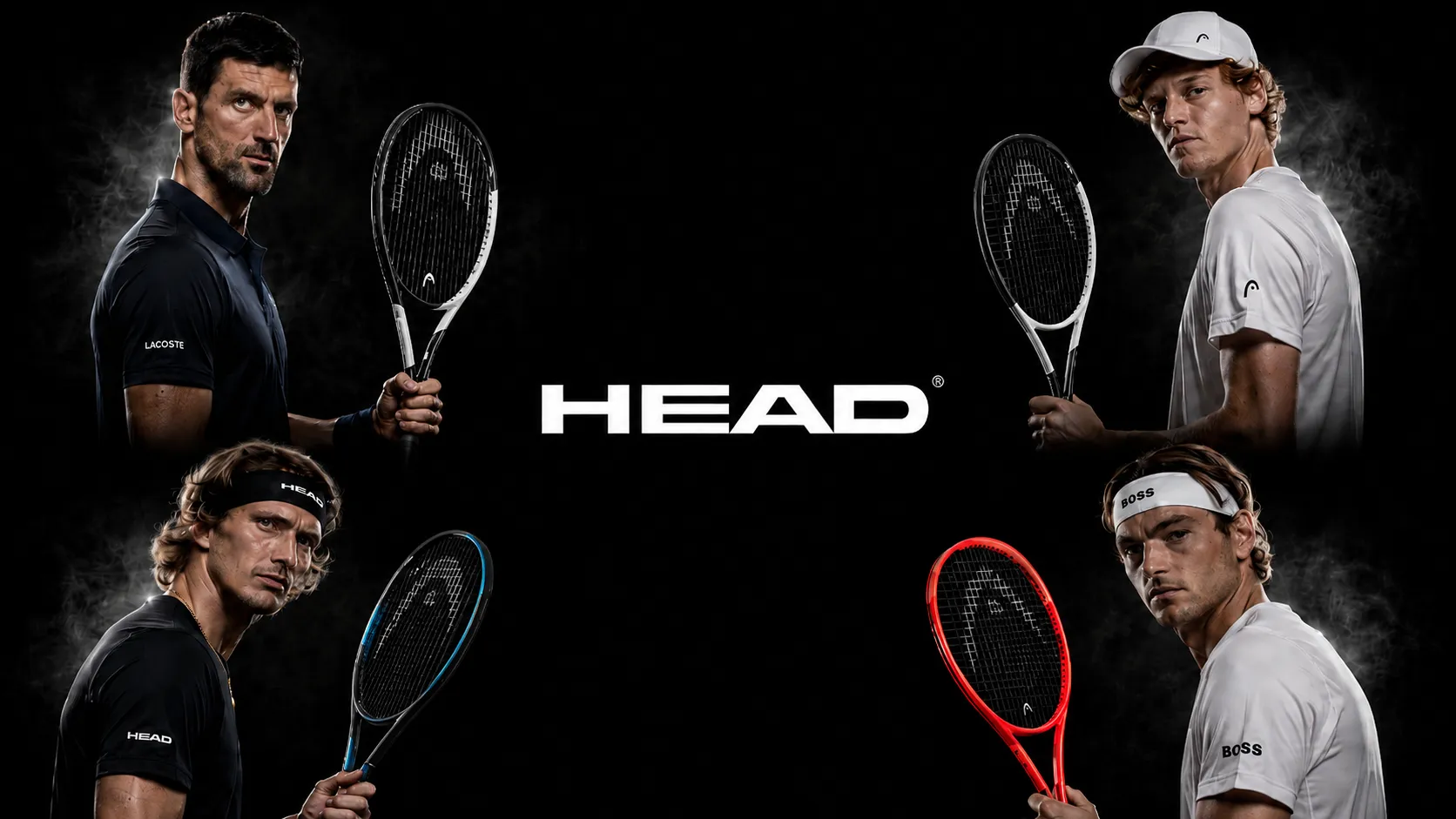
HEAD Rackets Guide: Speed, Gravity, Radical and More
HEAD rackets can feel confusing at first because the brand is not built around one single idea. It has families for power, control, spin, precision, classic feel and all-court play. The simplest way to read the lineup is this:
- Speed: a modern balance of power, control and swing speed.
- Gravity: control with a wider sweet spot and a more forgiving feel.
- Radical: all-court versatility, precision and a direct response.
- Boom: easy power and a more comfortable feel.
- Extreme: spin, net clearance and a heavier ball.
- Prestige: classic control, precision and maximum demand.
The choice should not start with the pro player painted on the frame. It should start with your own ball: do you need more launch, more margin with topspin, more directional control, or a racket that lets you accelerate without fear?
Quick note: when we mention professional players, we are talking about players historically associated with a line. On tour, many rackets are customized or may be pro stock frames with retail paint jobs, so use those names as style references, not as proof of exact specs.
How to read HEAD racket versions
Before comparing the lines, it helps to understand the names. HEAD often uses labels such as Pro, MP, Team, Lite or Tour, and they do not mean exactly the same thing in every family. If you want to go deeper into how weight, balance, stiffness or swing weight are measured, the Tennis Warehouse University learning center is a useful technical reference.
| Version | What it usually means | Who it makes sense for |
|---|---|---|
| Pro | More weight, more control and more demand | Advanced players with fast swings and clean contact |
| MP | Main, most balanced option | Most high-intermediate and advanced players |
| MP L | Lighter version of the MP | Intermediates, doubles players or players prioritizing speed |
| Team | Lower weight and easier playability | Intermediates, transitioning juniors or serious recreational players |
| Lite | Very easy to swing | Beginners, juniors or players with compact swings |
| Tour | Competitive variant, sometimes more controlled | Solid players who want a more specific response |
| S | Middle ground between ease and performance | Intermediates who do not want an overly light racket |
| 16/19, 16/20 | String pattern | More open = more launch/spin; tighter = more control |
One important detail: published brand weights are usually unstrung. Strings, overgrip and a dampener change total weight, balance and swing weight. That is why a Speed MP and a Gravity MP can look similar on a spec sheet but feel different in the hand and at impact.
Head Speed: the most balanced line
The Head Speed family is designed for players who want a modern, fast and relatively complete racket. It is not the most powerful, the most precise or the spinniest line; its value is that it does many things well without pushing you too far toward one style.
It is a logical line if you play from the baseline, attack when the opening appears and want a racket that responds well in defense and in transition toward the net. If you are not sure yet whether you need pure control, extreme spin or assisted power, Speed is often a good starting point.
Famous example: Novak Djokovic has long been associated with the Speed line, although his match racket should not be understood as a standard retail Speed. The useful reference is not copying his setup, but understanding the profile: control, stability, elastic defense and the ability to change direction.
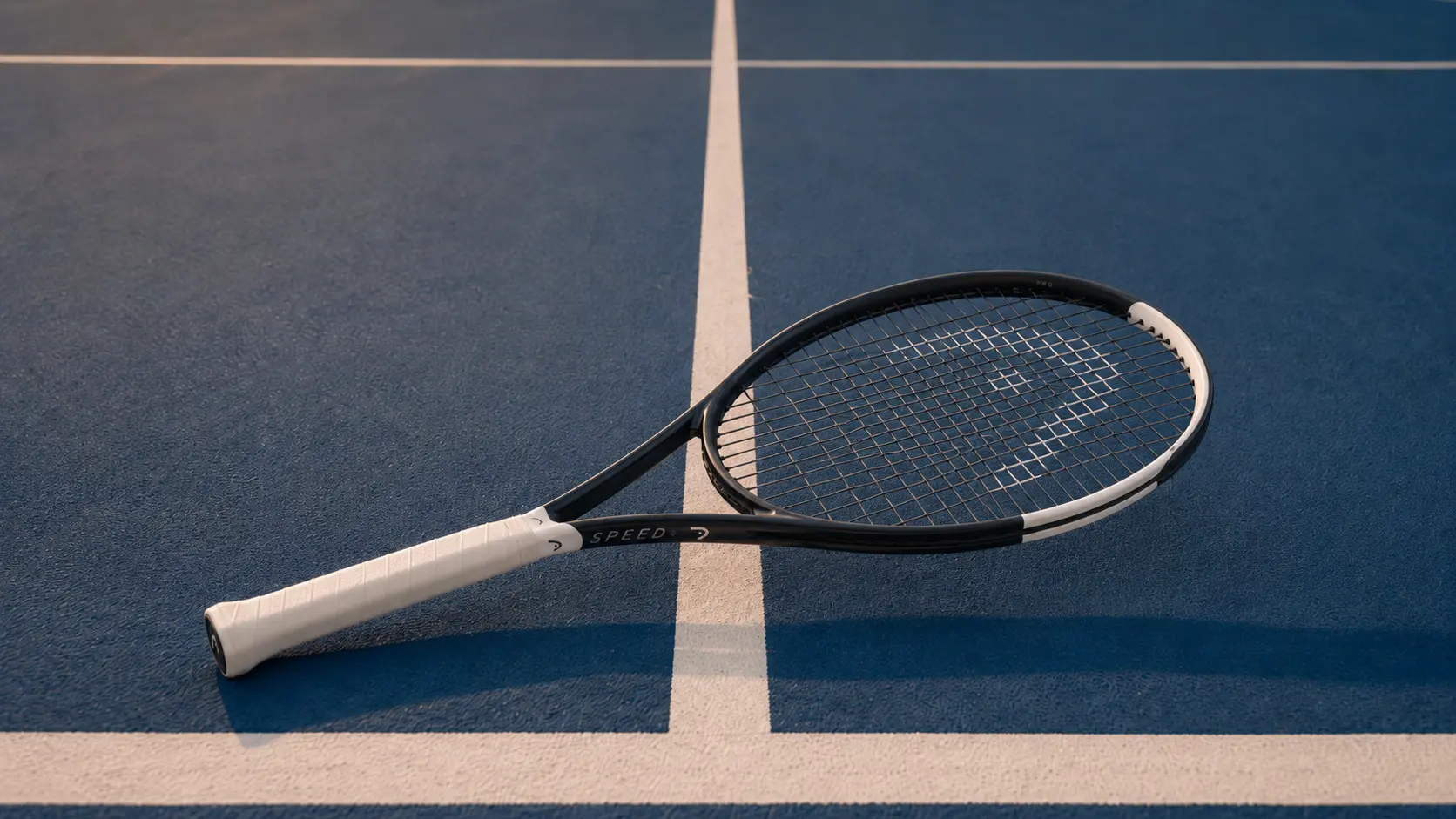
Key models: Speed MP and Speed Pro
Speed MP is the version I would recommend first for most competitive club players. It usually combines a 100 sq in head, weight around 300 g unstrung and a 16/19 pattern. On court, it feels like a middle option: more helpful than a Prestige, but more intentional than a Boom.
It fits especially well if you have a medium-long swing, play varied points and want a racket that does not punish you too much when you are defending. It is also a good candidate if you are coming from a power racket and want a bit more control without giving up too much ease.
Speed Pro is more demanding. It normally adds more mass, more stability and a more controlled pattern. It makes sense if you strike cleanly, accelerate confidently and want a heavier ball, especially when the pace rises. The trade-off is clear: less physical ease and less help on rushed shots.
The practical difference is simple: the Speed MP helps more; the Speed Pro obeys more. For most high-intermediate players, the MP will be more useful over two hours of tennis. For advanced players with good timing, the Pro can offer more precision and solidity.
Quick table: Speed versions
| Model | Main trait | Best for | Watch out for |
|---|---|---|---|
| Speed MP | Balance of power and control | High-intermediate and advanced all-court players | It does not max out one single area |
| Speed Pro | More stability and control | Advanced players with fast swings | More physically demanding |
| Speed Team | Ease and speed | Intermediates, doubles and advanced juniors | Less mass against a heavy ball |
| Speed MP L | Speed feel with less weight | Players who want maneuverability | May need extra weight for competition |
Head Gravity: control with a wide sweet spot
Head Gravity is one of the most interesting lines for players who want control, but do not want a dry or punishing racket. Its identity comes from a rounded head shape and a generous sweet spot, with a broader impact feel than many traditional control rackets.
Gravity works well if you like building points with heavy shots, varying height and using the middle of the court before attacking. It is not a free-power racket. It asks for swing speed, but gives back a stable and fairly predictable response.
Famous example: Alexander Zverev is associated with Gravity. The style fits: big baseline swings, plenty of stability from the back of the court and confidence when redirecting the ball.
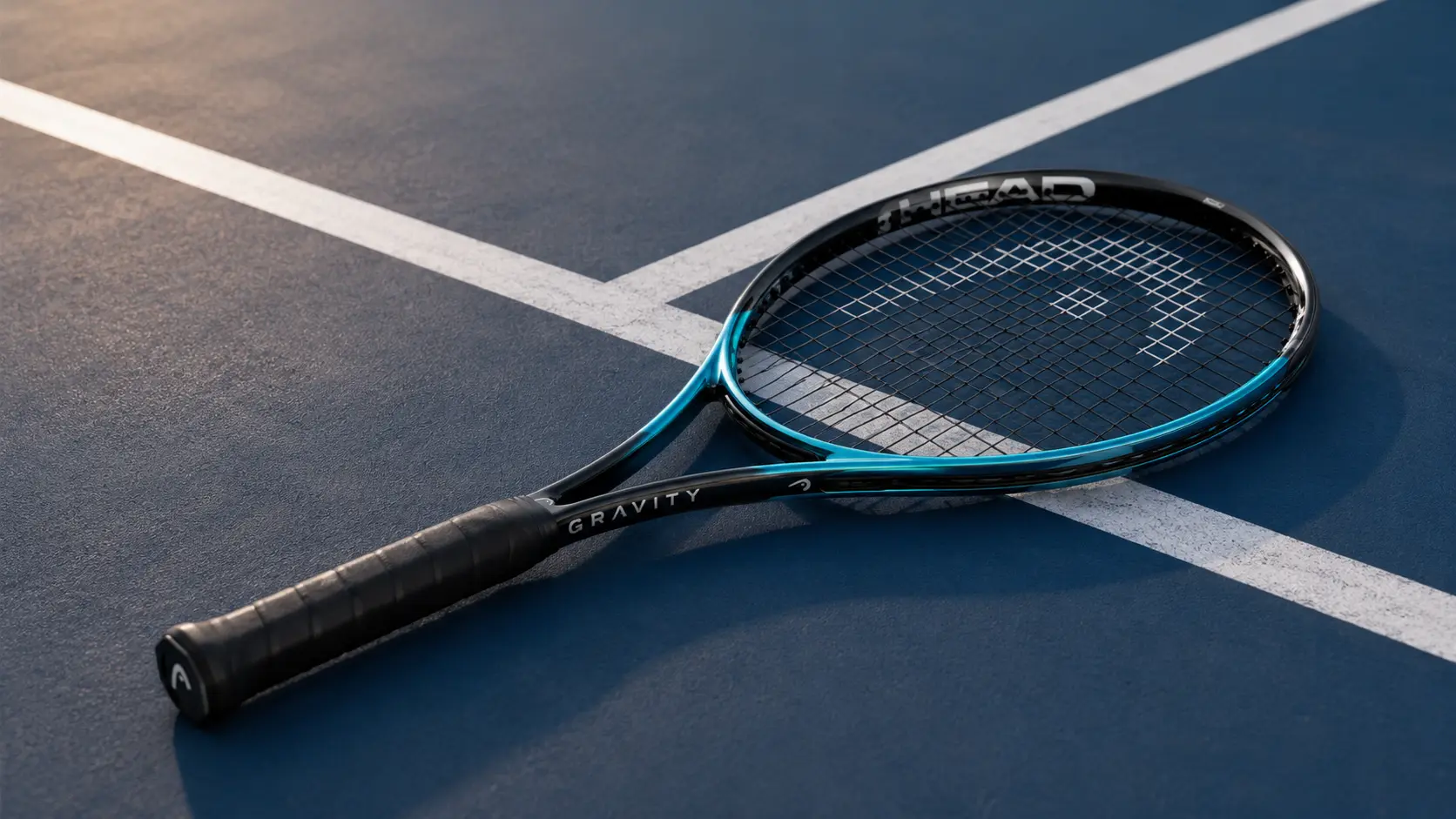
Key models: Gravity MP and Gravity Pro
Gravity MP is usually the most logical entry point into the family. For many players, it offers an attractive mix: control, tolerance and a calmer response than very powerful rackets. If you like long rallies and want to aim without feeling the ball fly, it is a serious candidate.
It can also work for players coming from a more powerful 100 sq in racket who want to lower the launch a little. The biggest change is in free depth: you will need to accelerate better, but you gain confidence when aiming at smaller targets.
Gravity Pro is heavier and more demanding. It usually has a tighter pattern and a very directional response. It makes sense if you already generate your own power and want a racket that rewards clean contact. If you are late or hit far from center often, it can feel slow.
The practical difference: the MP opens the door to control; the Pro expects you to already have the keys. If you compete, strike cleanly and like a solid feel, the Pro can be excellent. If you want margin and ease, start with the MP.
Quick table: Gravity versions
| Model | Main trait | Best for | Watch out for |
|---|---|---|---|
| Gravity MP | Control with a wide sweet spot | High-intermediate players who want useful precision | Less free power than Boom or Speed |
| Gravity Pro | Control, mass and directional response | Advanced players with complete swings | Requires preparation and clean contact |
| Gravity Team | More ease and tolerance | Intermediates and improving players | Less stability at high pace |
| Gravity MP L | Less weight, same general idea | Doubles, advanced juniors, lower physical load | Can feel light against big hitters |
Head Radical: all-court versatility and precision
Head Radical is the line for players who want a fast, precise and versatile racket. Historically, it has been associated with the all-court idea: defend, attack, come forward, block returns and change direction without feeling that the racket forces one specific trajectory.
It is not as forgiving as Gravity or as comfortable for easy power as Boom. It also does not chase the exaggerated spin of Extreme. Radical makes sense if you already have reasonable technique and want a clear, connected response that is easy to direct.
Famous examples: Andre Agassi and Andy Murray are names historically tied to the Radical DNA. Again, not as exact spec copies, but as a clue to the style: aggressive returns, changes of direction and full-court play.
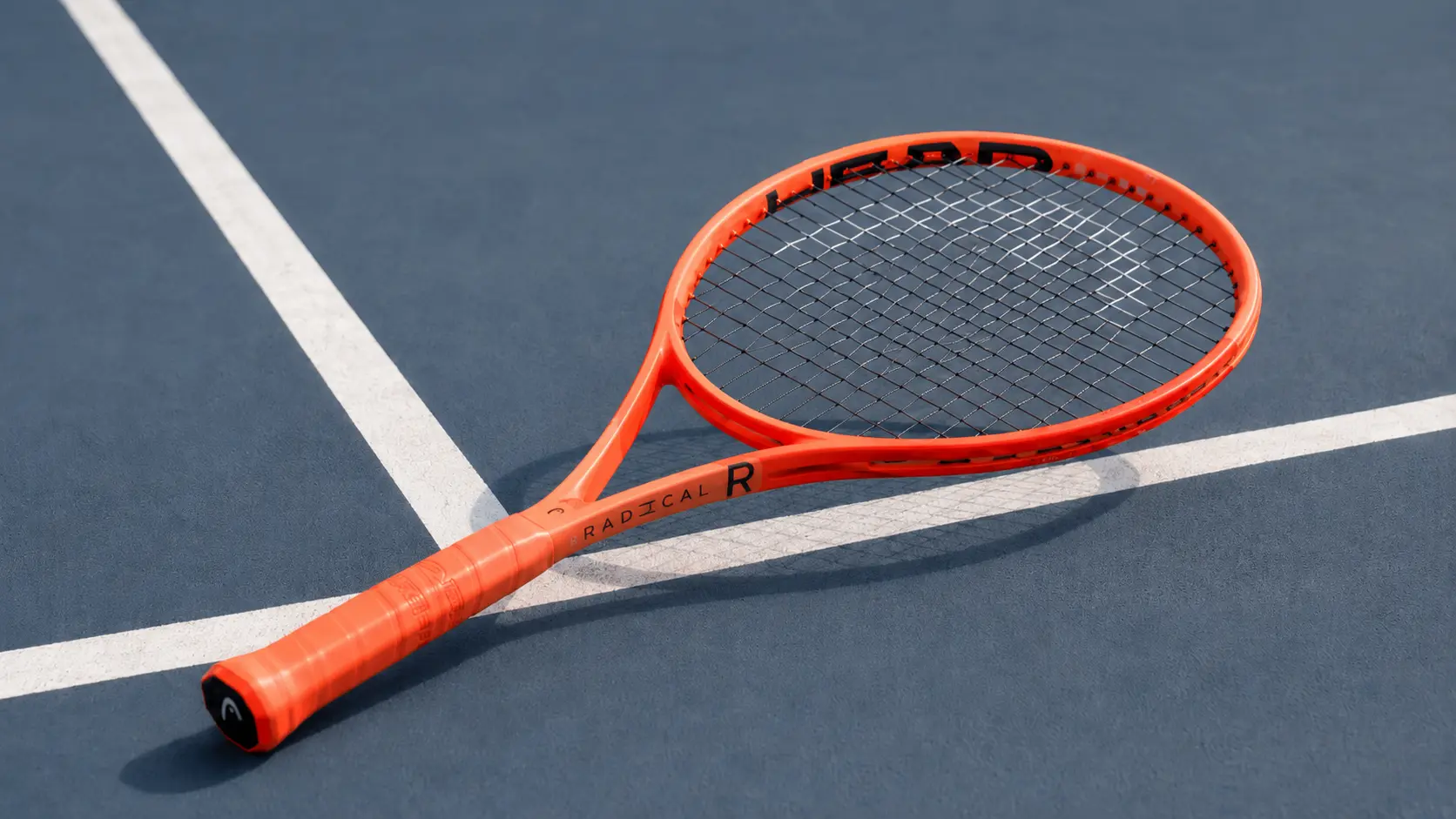
Key models: Radical MP and Radical Pro
Radical MP is probably the most interesting version for a competitive club player. It is usually around 300 g unstrung, with a 98 sq in head and a 16/19 pattern. That makes it more precise than many 100 sq in rackets, while still being reasonably maneuverable.
It fits if you hit with a medium-long swing, like attacking with forehand and backhand, and value a ball that goes exactly where you aim. It is also strong for players who alternate baseline play, slice, volleys and returns.
Radical Pro adds weight and stability. The ball can come off heavier and the racket moves less against high pace, but it asks for more arm and legs. If the MP feels too light or unstable, the Pro makes sense. If the MP already tires you, the Pro probably will not help.
The practical difference: the Radical MP is the versatile tool; the Radical Pro is the more serious and physical version.
Quick table: Radical versions
| Model | Main trait | Best for | Watch out for |
|---|---|---|---|
| Radical MP | Versatile precision and speed | High-intermediate all-court players | Less forgiveness than a 100 sq in head |
| Radical Pro | More mass, stability and control | Advanced players who strike cleanly | Can feel heavy in defense |
| Radical Team | A friendlier Radical | Intermediates who want manageable control | Less punch and stability |
| Radical MP L | Lower weight and more maneuverability | Doubles, advanced juniors, fast swings | May need customization |
Head Boom: easy power without a harsh feel
Head Boom is the most easy-power-oriented family in the modern HEAD lineup. Its goal is to help the ball go deep with less effort, but with a more comfortable and rounded feel than some very stiff power rackets.
It is a good line if your problem is leaving the ball short, defending without depth or feeling that you need too much effort to generate speed. It also fits players who want a modern, friendly and fast racket without moving into a pure beginner option.
Famous example: Coco Gauff has been associated with Boom. The profile makes sense for athletic, explosive tennis with a lot of acceleration, although her competition setup should not be compared directly with a retail Boom.
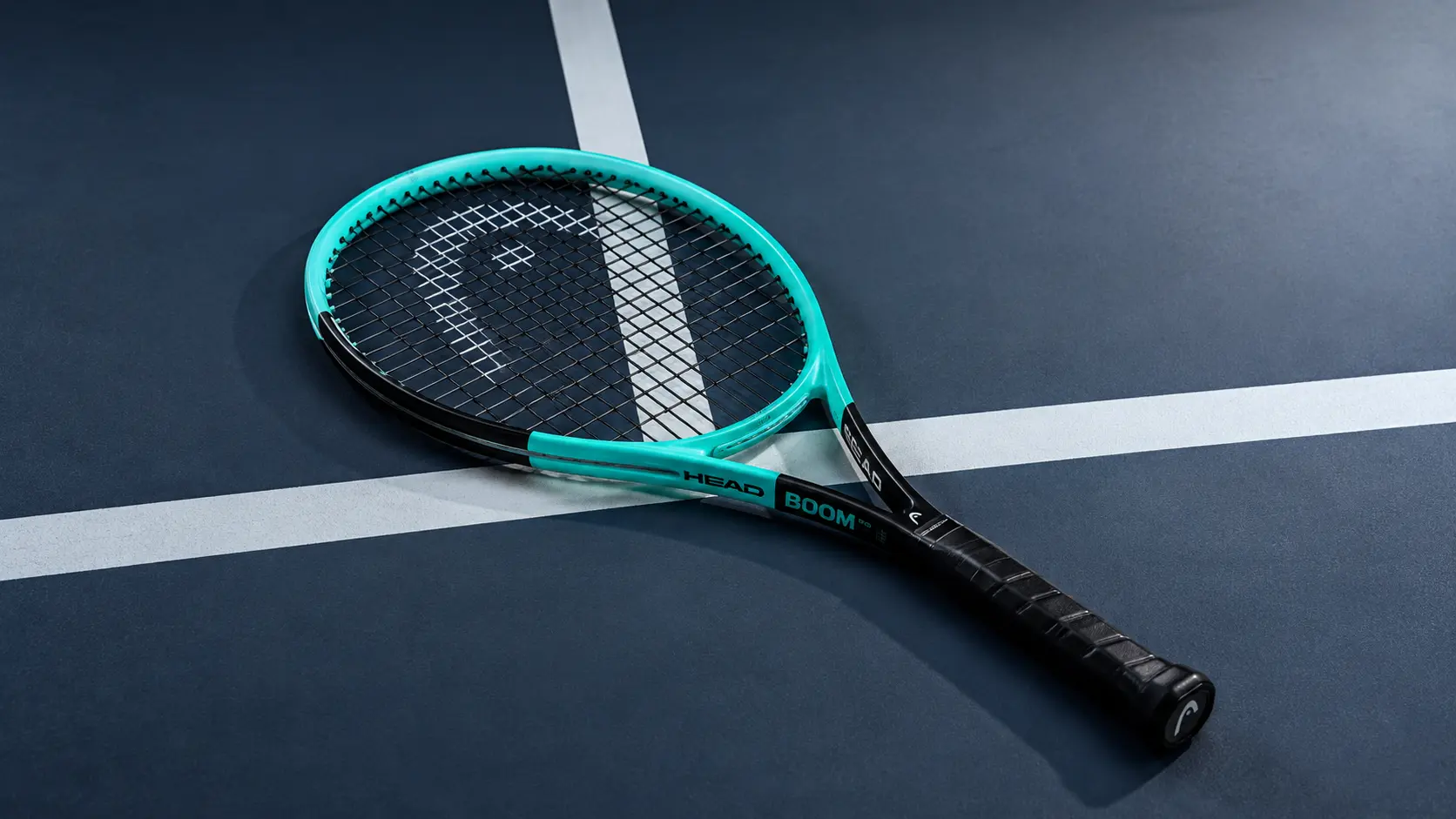
Key models: Boom MP and Boom Pro
Boom MP is the most logical option for most players. It usually offers a 100 sq in head, moderate weight and good ball speed. If you want a racket that helps more than a Radical or Gravity, but does not feel overly dry, the Boom MP is worth testing.
It works especially well for medium swings, players who alternate attack and defense, and anyone who needs depth under pressure. It can also be comfortable in doubles because it is quick and helps on blocked returns.
Boom Pro is aimed at more advanced players who want Boom power with more control and stability. It usually feels firmer and more precise, but also less easy. If you generate plenty of speed, it can give you a heavier ball without losing the identity of the line.
The practical difference: the Boom MP helps more; the Boom Pro lets you accelerate harder with more order.
Quick table: Boom versions
| Model | Main trait | Best for | Watch out for |
|---|---|---|---|
| Boom MP | Easy power and modern comfort | Intermediates looking for depth | Less fine control than Radical or Gravity |
| Boom Pro | Power with more control and stability | Advanced offensive players | More demanding and less forgiving |
| Boom Team | Ease and low effort | Serious recreational players and intermediates | Less ball weight |
| Boom MP L | Maneuverability and ball speed | Doubles, advanced juniors, lower physical load | Less solid against high pace |
Head Extreme: spin and net clearance
Head Extreme is HEAD’s line for players who want topspin, ball height and margin. It does not create spin by itself, but its geometry and response are built to support vertical swings, racket-head acceleration and trajectories with more shape.
It is a good candidate if you build points from the baseline, look for wide angles and want the ball to jump after the bounce. If your natural shot is flat and low, a Speed, Radical or Prestige will probably feel more natural.
Famous example: Matteo Berrettini has been associated with Extreme, a coherent reference for a game with a huge forehand, heavy serve and margin through spin.
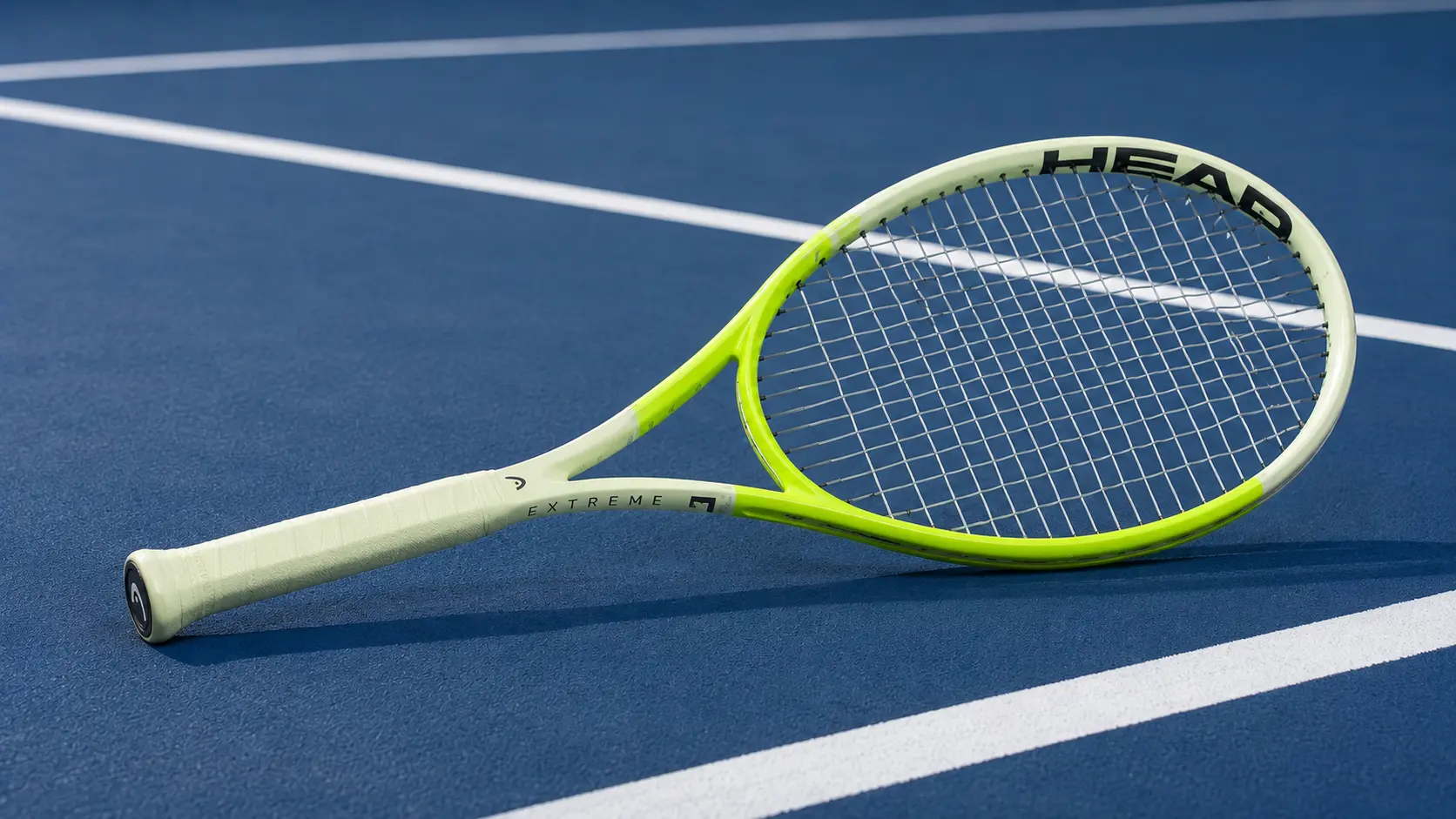
Key models: Extreme MP and Extreme Tour
Extreme MP is the most representative version for high-intermediate and advanced players. It usually combines a 100 sq in head, open pattern and good ball speed. It is the logical option if you want a racket that helps you lift the ball and play more safely above the net.
It makes sense if you use modern grips, accelerate from low to high and want more height without losing too much depth. The risk appears when you hit very flat: it can feel too lively and send the ball long.
Extreme Tour is usually the more controlled alternative. It keeps the spin DNA, but with a more precise and less free response. It fits advanced players who want to attack with topspin without the ball launching too high or too long.
The practical difference: the Extreme MP gives more help; the Extreme Tour gives more control.
Quick table: Extreme versions
| Model | Main trait | Best for | Watch out for |
|---|---|---|---|
| Extreme MP | Spin, useful power and margin | Baseline players with topspin | Can feel lively for flat hitters |
| Extreme Tour | Spin with more precision | Advanced players attacking with heavy spin | Less forgiveness than the MP |
| Extreme Team | Ease and maneuverability | Intermediates who want spin without much weight | Less stability |
| Extreme MP L | Lower physical load | Doubles, advanced juniors, fast swings | Can lose ball weight |
Head Prestige: classic control and maximum demand
Head Prestige is HEAD’s most classic and demanding line. Its identity is control, feel, precision and direct response. It is not designed to give you free power or margin. It is designed for players who already generate speed, strike cleanly and want the racket to stay out of the way.
For many recreational players, Prestige can feel beautiful for ten minutes and too demanding over a full match. That does not make it bad; it simply has a more specific audience.
Famous examples: Marat Safin and Stan Wawrinka are historic references from the Prestige world: heavy strokes, clean timing and confidence when accelerating with a control racket.
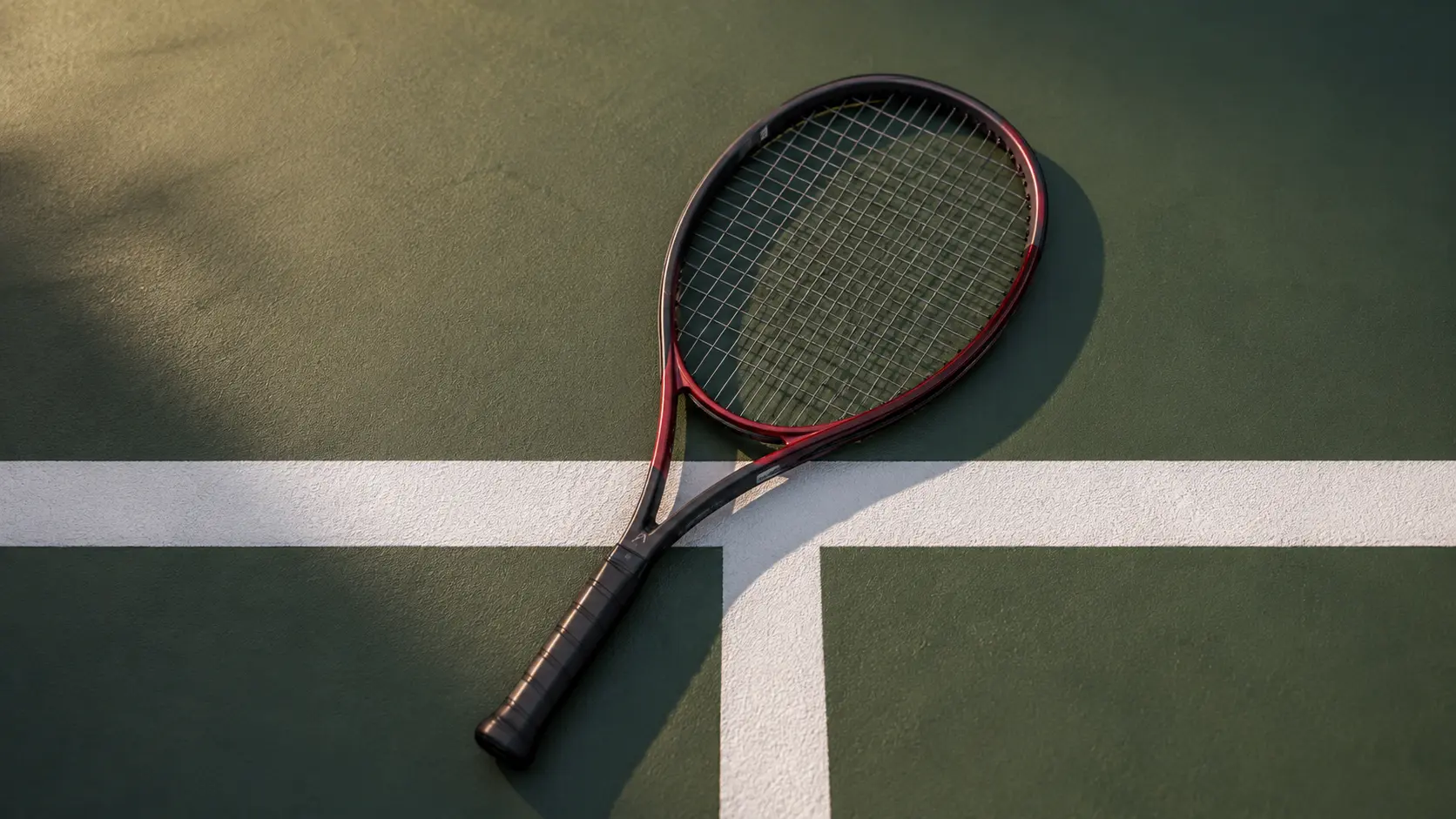
Key models: Prestige MP and Prestige Pro
Prestige MP is usually the most reasonable option inside a demanding family. It offers precision and classic feel, but with a bit more margin than the tightest or heaviest variants. It can work if you are advanced, play with complete technique and want a racket for aiming with real confidence.
Prestige Pro is even more specific. It makes sense for players who do not need power help, strike cleanly even under pressure and value directional control over forgiveness. If your problem is leaving the ball short, this should not be your first test.
The practical difference: the Prestige MP is demanding; the Prestige Pro is demanding with a purpose. This is not a family to buy for nostalgia or cosmetics. It is a family to test on court, with real fatigue and against a heavy ball.
Quick table: Prestige versions
| Model | Main trait | Best for | Watch out for |
|---|---|---|---|
| Prestige MP | Classic control with some margin | Advanced players who want precision | Little power help |
| Prestige Pro | Maximum precision and stability | Very technically solid players | Very demanding over long matches |
| Prestige Tour | Control with a specific response | Competitors with a clear preference | Not the most forgiving option |
Quick comparison: Speed vs Gravity vs Radical vs Boom vs Extreme vs Prestige
| If you want… | Most logical line | First model to try |
|---|---|---|
| Modern balance | Speed | Speed MP |
| Control with a wide sweet spot | Gravity | Gravity MP |
| All-court versatility | Radical | Radical MP |
| Easy power | Boom | Boom MP |
| Spin and margin | Extreme | Extreme MP |
| Classic control and direct feel | Prestige | Prestige MP |
| More competitive stability | Pro version by family | Speed Pro, Gravity Pro or Radical Pro |
| More physical ease | Team, Lite or MP L | Depends on line and level |
Which HEAD racket should you choose in practice?
If you do not know where to start, use this rule:
Speed MP if you want a balanced, modern racket.
Gravity MP if you want control with more impact tolerance.
Radical MP if you want versatile precision and all-court play.
Boom MP if you need easy power and depth.
Extreme MP if your tennis is built on topspin and margin.
Prestige MP only if you already have solid technique and want classic control.
Then look at the more demanding Pro, Tour or Prestige versions only if you have a clear reason: fast swing, consistent contact, good physical preparation and little need for help. In rackets, choosing the “most professional” version does not always improve your tennis. Often, the best racket is the one that lets you hit deep, relaxed and on time for two hours.
And remember that the racket does not work alone. Stiffness RA, string type, head size, pattern and swing weight can make two similar models feel very different.
Frequently asked questions about HEAD rackets
What is the most balanced HEAD racket?
For most high-intermediate players, the Speed MP is usually the most balanced option because it combines useful power, reasonable control and good swing speed. It is not the most specialized racket, but that is exactly why it works for many styles.
HEAD Speed or HEAD Gravity: which is better?
Choose Speed if you want a faster, more versatile and more modern response. Choose Gravity if you prioritize control, a wide sweet spot and a more stable feel on baseline shots. If you are between the two, test the MP versions first.
Is HEAD Boom only for beginners?
No. The Boom MP can work very well for intermediate players who want depth and easy power. The key is not confusing ease with lack of level: a helpful racket can still be useful in competition if it lets you maintain ball quality under pressure.
Is HEAD Prestige good for intermediate players?
Only for very technically solid intermediates. Prestige offers a lot of control, but little help. If you are still building consistency, it is usually more productive to look at Speed, Gravity, Radical or Boom before moving to Prestige.
What is the difference between MP and Pro in HEAD?
In general, MP is usually the more balanced and usable version for more players, while Pro usually adds weight, stability and control in exchange for more demand. It is not always better: it depends on your swing, your strength and how much forgiveness you need in real matches.
Keep learning
Turn this information into a better decision for your game
Explore more guides on the same topic or visit the complete archive to compare your options with context.
Continue reading
Related articles
Prince Rackets Guide: Tour, Phantom, Ripstick and More
Compare Prince Tour, Phantom, Ripstick, Ripcord and Beast rackets, understand O3, and choose the right family to demo for your game.
Dunlop Rackets Guide: CX, SX, FX or LX?
Compare Dunlop CX, SX, FX and LX rackets, understand Tour and LS versions, and decide which models to demo for your swing and game.
Tecnifibre Rackets: T-Fight, TF-40, Fire or Tempo?
Compare Tecnifibre rackets by power, control, weight and head size to find which T-Fight, TF-40, Fire or Tempo you should demo first.