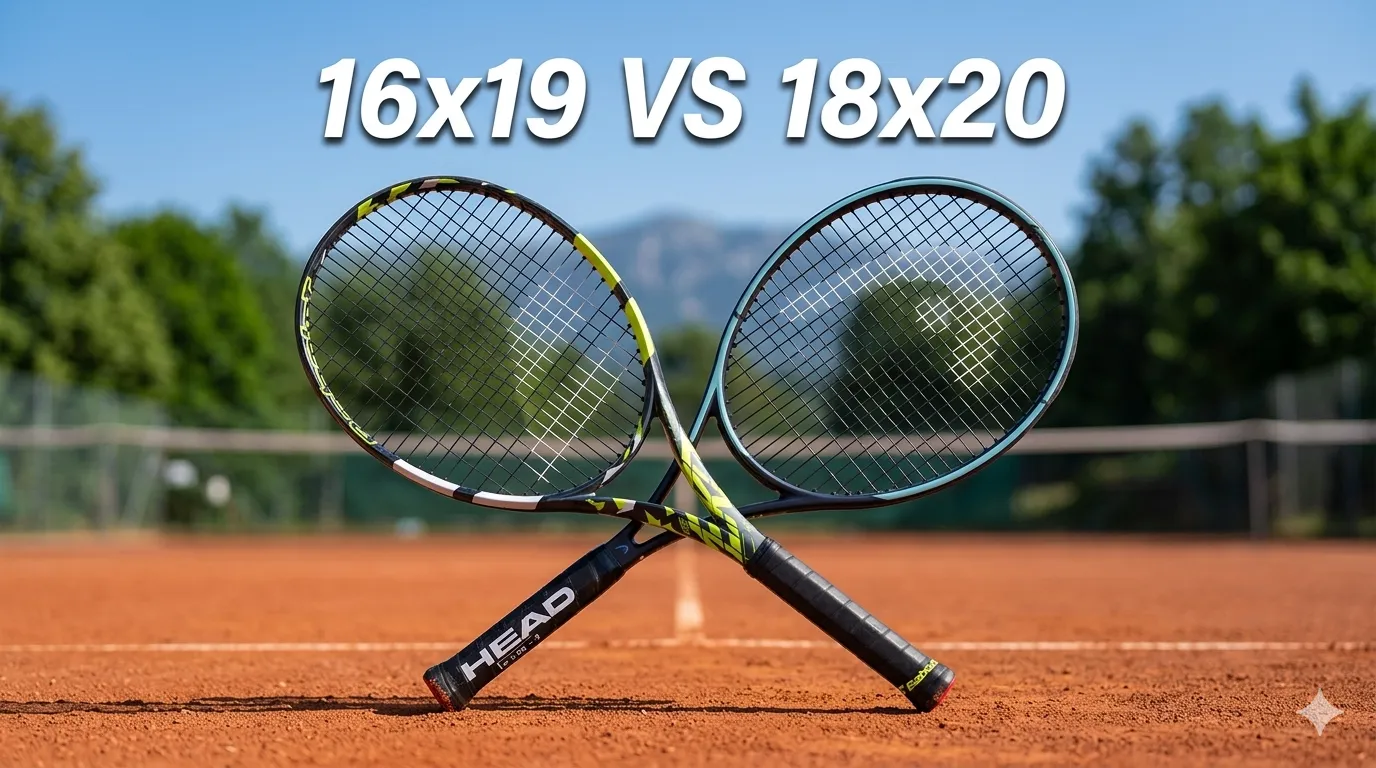
String Patterns: 16x19 vs 18x20 Explained
Complete guide to string patterns. Discover the real differences between 16x19 and 18x20 and how they affect your game.
Your racket’s string pattern has a significant impact on how it plays, but it’s one of the least understood specifications. Let’s break down the real differences between the most common patterns.
What Does the String Pattern Mean?
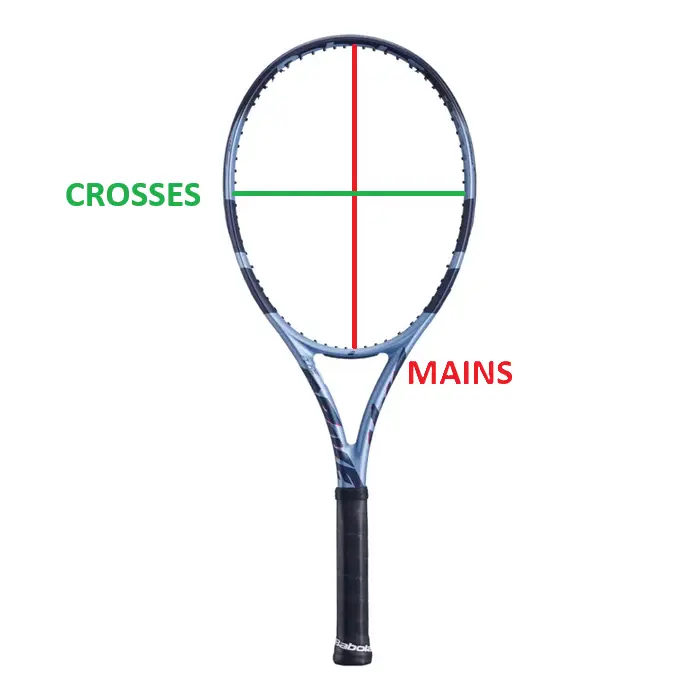
The string pattern is expressed as mains x crosses (vertical x horizontal). For example:
- 16x19: 16 vertical strings (mains) and 19 horizontal strings (crosses)
- 18x20: 18 vertical strings and 20 horizontal strings
The Two Main Patterns
16x19 - Open Pattern
Advantages:
- More spin: Strings have more room to move, allowing them to “bite” the ball more
- More power: Fewer strings = less friction = greater “trampoline effect”
- Better feel: Some players feel the ball better
- Better for polyester strings: The open pattern compensates for poly’s lower elasticity
Disadvantages:
- Less directional control: Fewer strings = less precision
- More wear: Strings move more = break faster
- Less durable: Polyesters lose tension faster in open patterns
Ideal for:
- Players looking to generate heavy spin
- Long, fast baseline swings
- Players who hit with a western topspin grip
- Those using polyester strings
18x20 - Dense Pattern
Advantages:
- More control: More contact points = greater directional precision
- More durability: Strings move less
- More “solid” feel: Less string bed deflection
- Better for flat shots: Ideal for classic techniques
Disadvantages:
- Less spin potential: Less string movement
- Less power: More strings = more dampening
- Requires better technique: You need to generate your own power
Ideal for:
- Players with flat or moderate swings
- Those who prioritize control over spin
- Classic or eastern technique
- Players who break strings frequently (durability)
Intermediate Patterns
16x20
- Balance between both worlds
- Slightly more control than 16x19
- Used in some modern control rackets
18x19
- Less common
- Attempts to combine density with some openness
- Not as popular as the extremes
How Does It Actually Affect Your Game?
Spin Generation
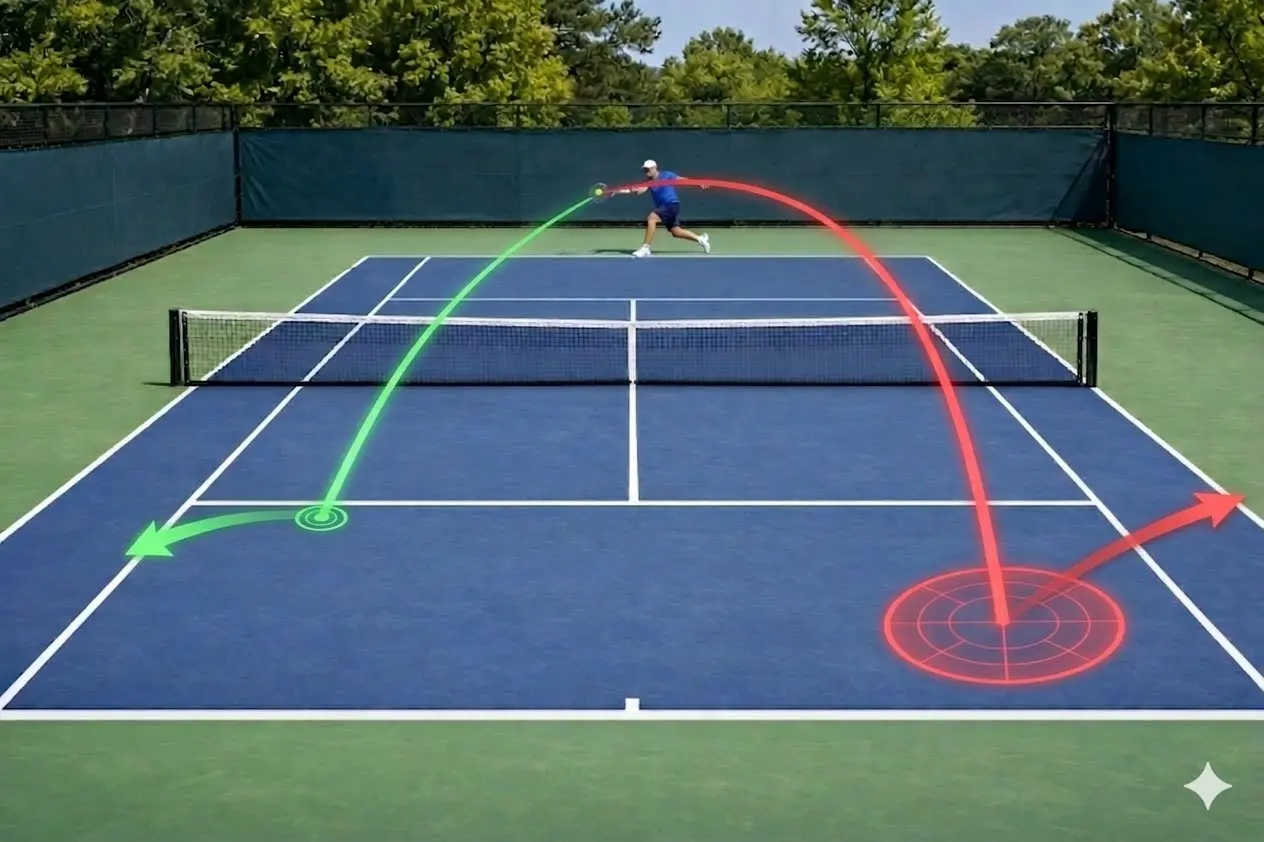
The difference in spin potential between 16x19 and 18x20 is real but not magical. A 16x19 won’t automatically turn your shots into heavy topspin. Your technique and swing speed are still far more important.
Rule of thumb: If you already generate good spin with your technique, a 16x19 will amplify it. If you don’t generate spin naturally, the pattern won’t create it for you.
Control
The 18x20 offers better directional control (left-right), but requires better timing because it’s less forgiving. It’s harder to use but more precise in expert hands.
Power
The power difference between patterns isn’t huge, but it’s noticeable. A 16x19 will give you roughly 5-10% more “free” power compared to an 18x20.
Common Myths
Myth 1: “18x20 is only for professionals”
- Reality: It’s for players who prioritize control, regardless of level
Myth 2: “16x19 breaks strings instantly”
- Reality: It breaks strings faster, but with durable strings it can last weeks or months
Myth 3: “You can’t generate spin with 18x20”
- Reality: You can generate plenty of spin, it just requires better technique
Which One Should You Choose?
Choose 16x19 if:
- You play with heavy topspin
- You prefer power over control
- You use polyester strings
- You have a western and fast swing
Choose 18x20 if:
- You prioritize precision and control
- You have a classic technique or hit flat
- You break strings very frequently
- You prefer a firm, direct feel
Try both if:
- You’re transitioning from intermediate to advanced level
- You’re not sure about your playing style
- You want to maximize versatility
Conclusion
There is no universally “better” pattern. The right pattern depends entirely on your technique, playing style, and preferences. If you get the chance, try both patterns on the same racket (if available) to feel the real difference.
Remember: the string pattern is just one piece of the puzzle. String type, tension, swing weight, and your own technique play equally important roles.