Technique
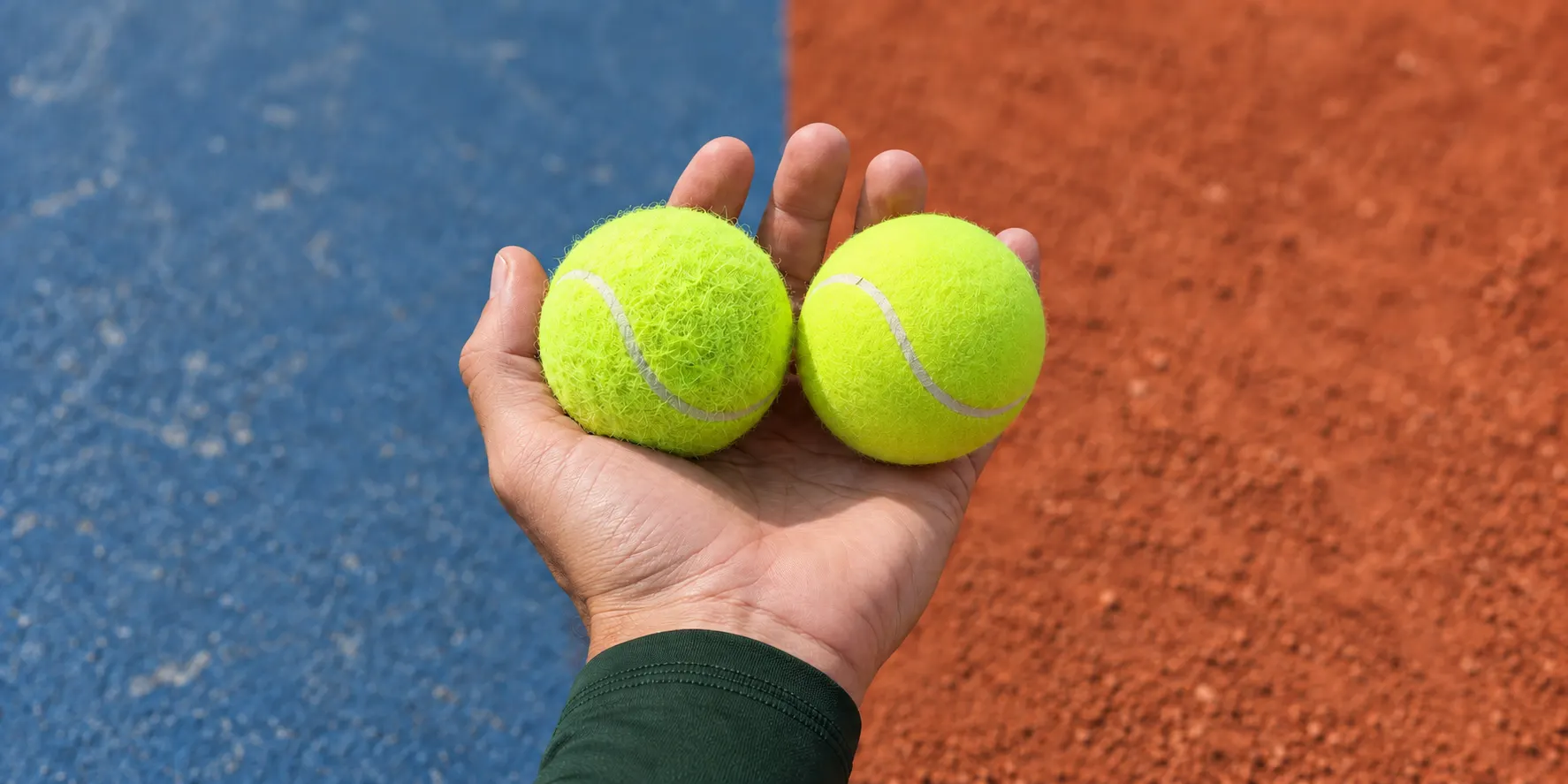
Extra Duty vs Regular Duty Tennis Balls: Which Court?
Learn when to use Extra Duty or Regular Duty tennis balls on hard courts, clay, indoor courts, and grass, plus when altitude matters more than felt.
• 9 min read
Read more
Category
Explore our technique guides and find practical answers for your game.
Showing 1–10 of 17 articles
Technique
Featured guide
Learn when to use Extra Duty or Regular Duty tennis balls on hard courts, clay, indoor courts, and grass, plus when altitude matters more than felt.
Technique

What separates power, control and spin tennis rackets, which specs matter, and what to demo based on your swing and typical miss.
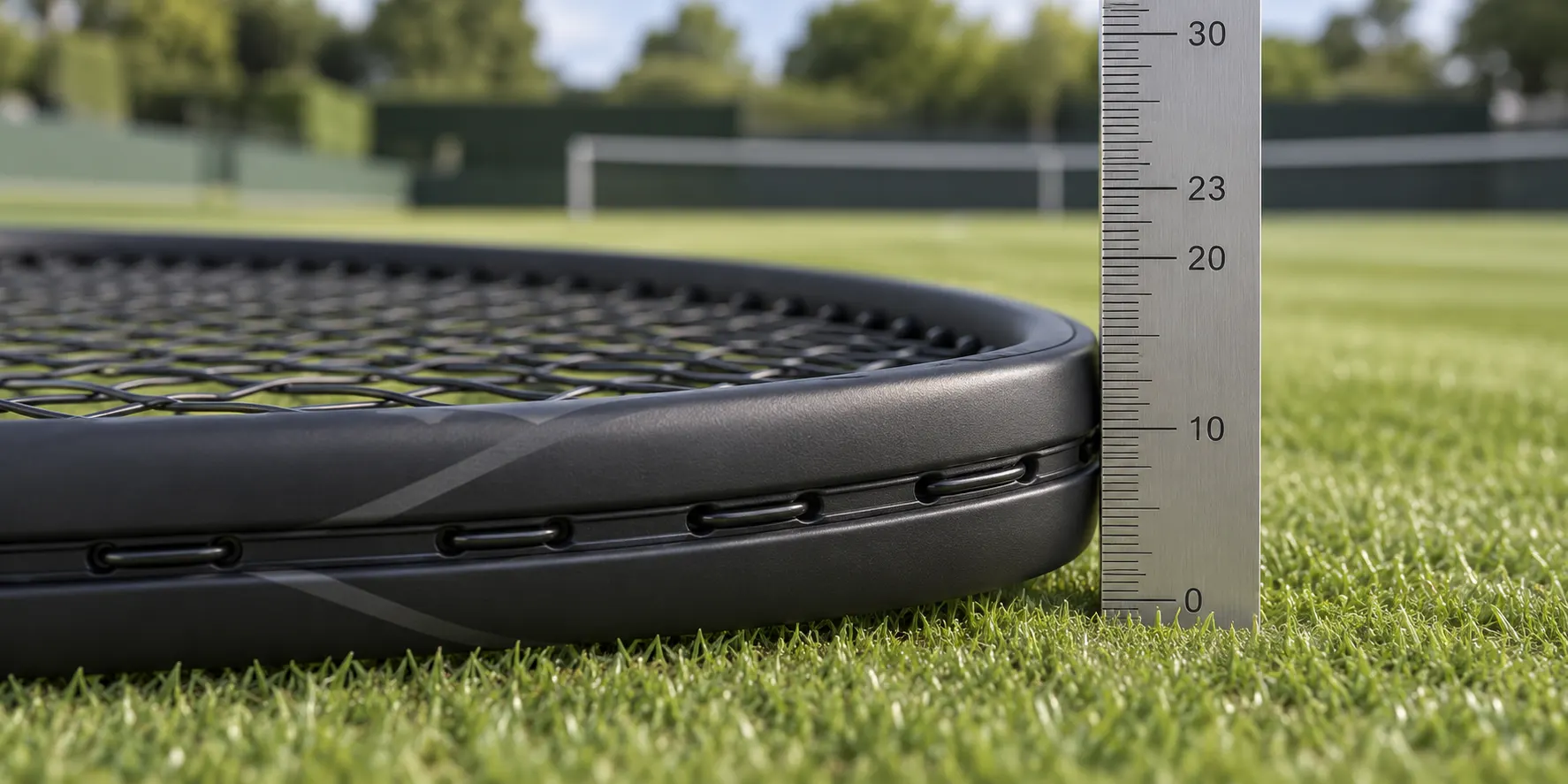
What tennis racket beam width measures, how thin and thick frames affect power, control and feel, and why beam width is not the same as RA stiffness.
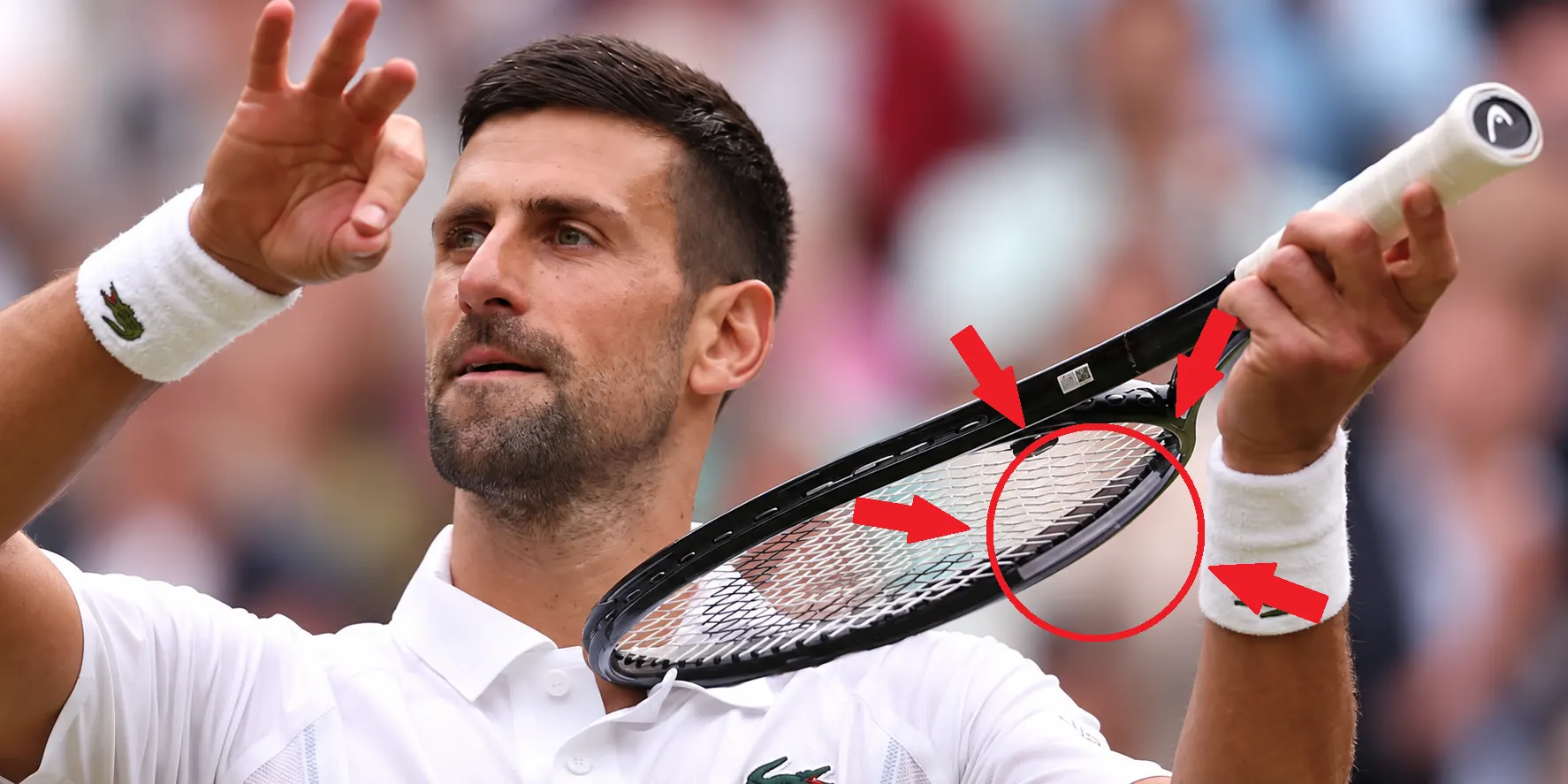
Learn how lead or tungsten tape changes racket weight, balance, swingweight and the sweet spot, where to place it and how to test without overdoing it.
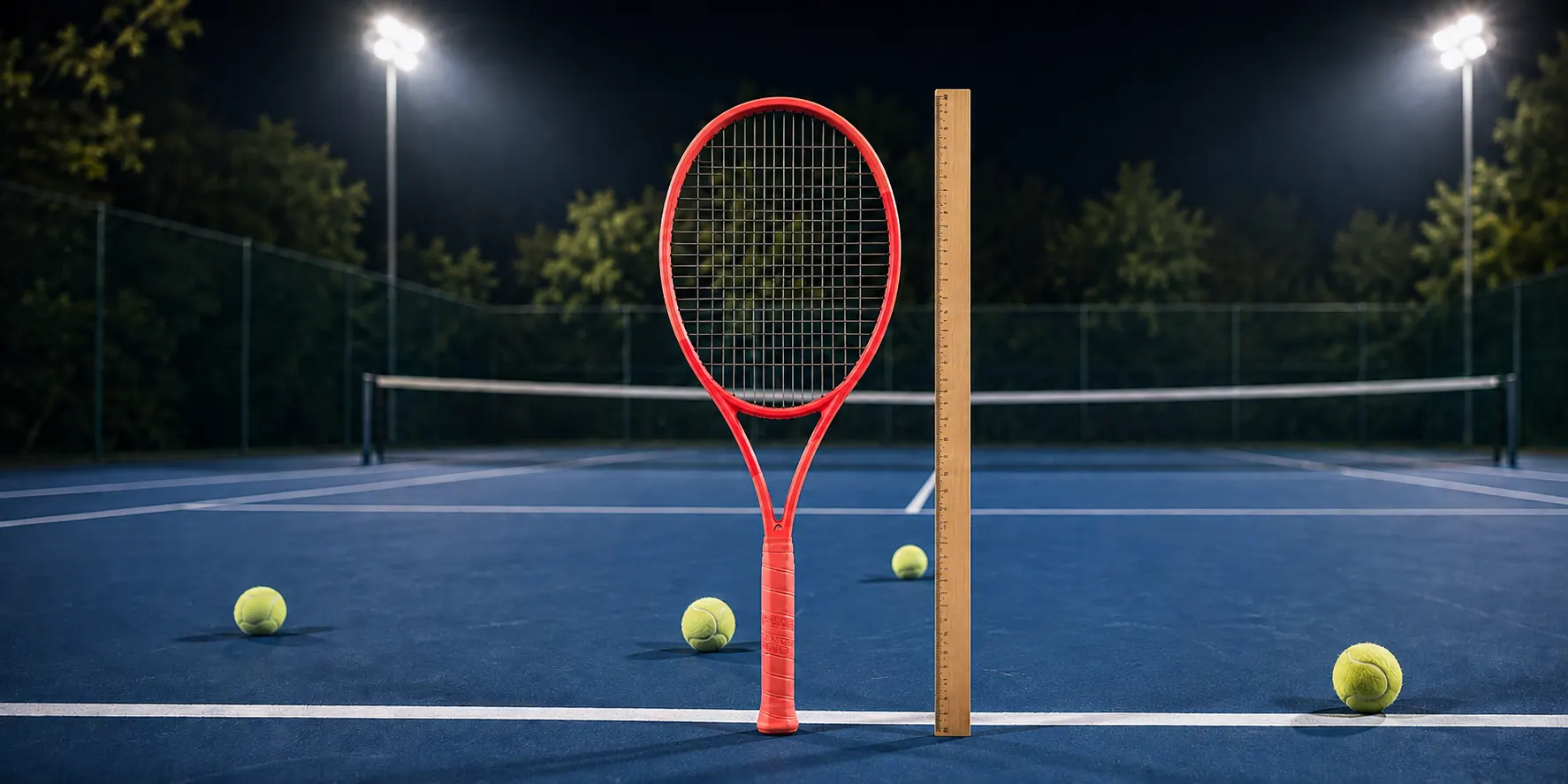
How long is an adult tennis racket? Compare 27 and 27.5 inches for reach, serve leverage, swingweight and maneuverability, then choose for your game.
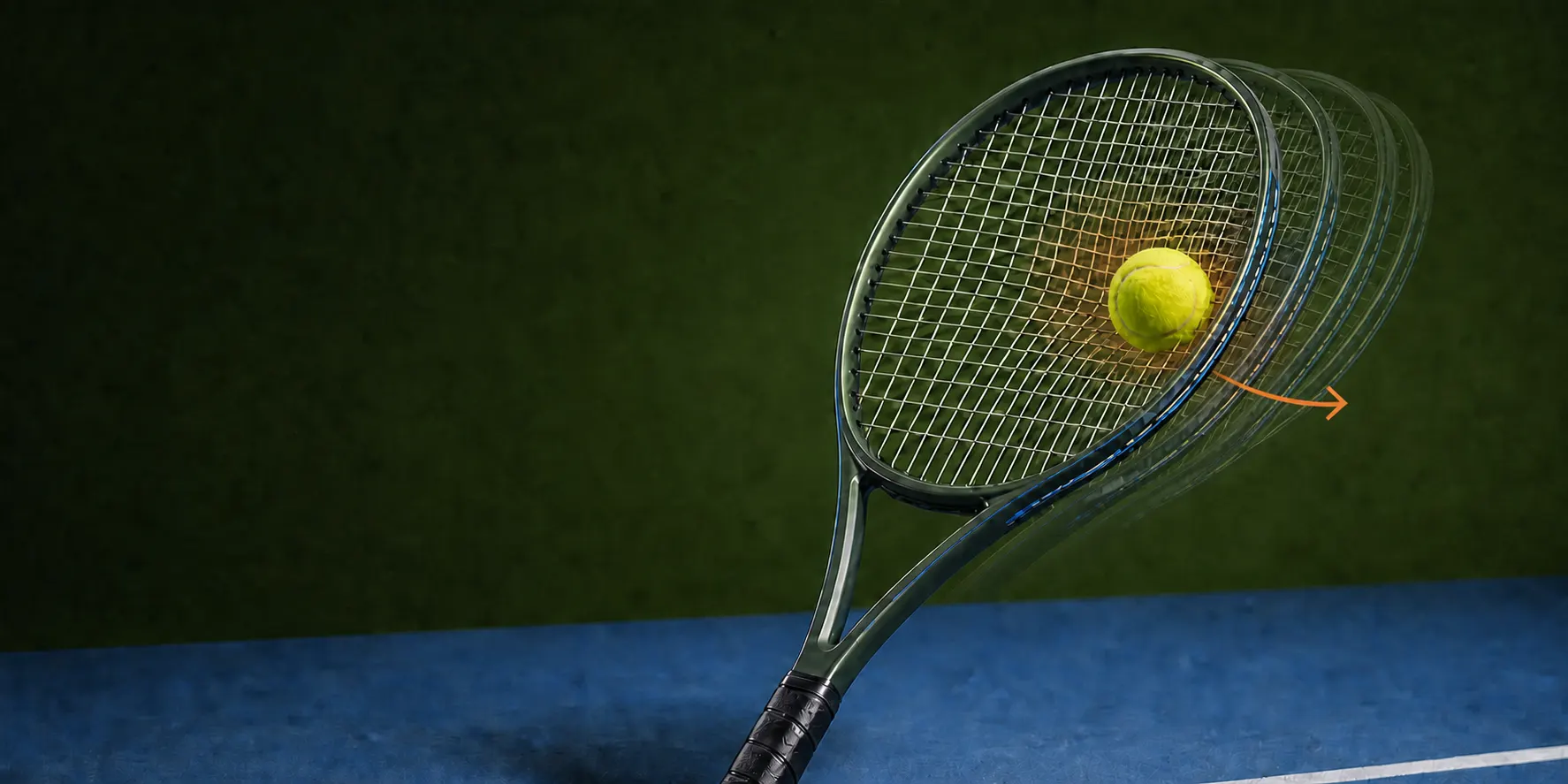
Learn what tennis racket twistweight measures, why it matters on off-center hits, how to measure it, and how high or low values change stability on court.
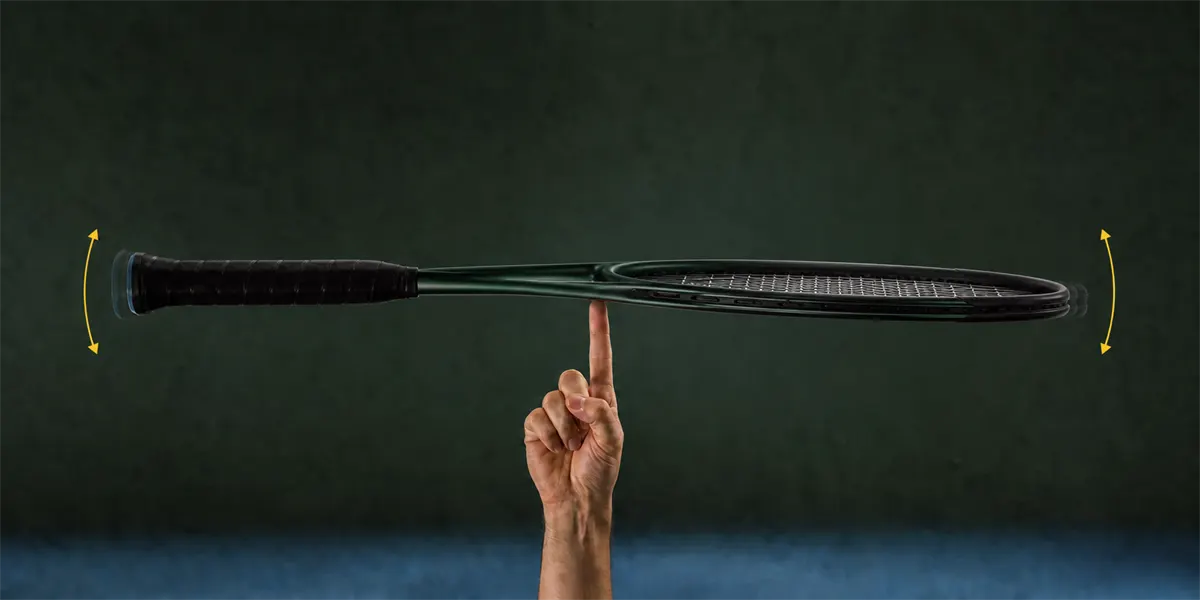
Learn how tennis racket balance works, how to measure it, and what head-light, even-balance and head-heavy frames change on serves, returns and volleys.
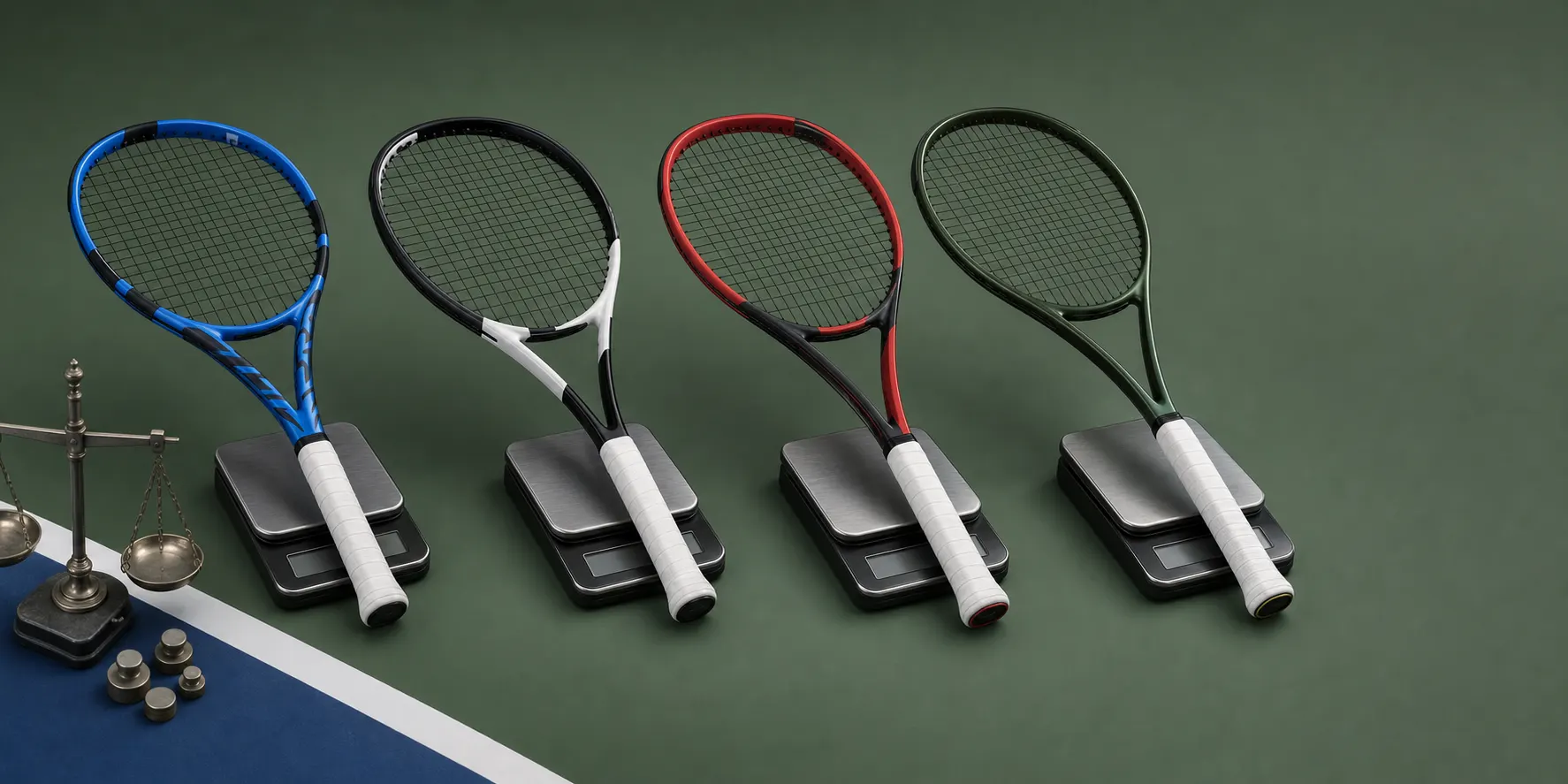
Tennis racket weight explained: compare 260g, 285g, 300g and 315g frames, choose the right weight, and separate static weight from swingweight.

When to restring a tennis racket by playing hours, string type, tension loss, dead strings, and on-court signs.
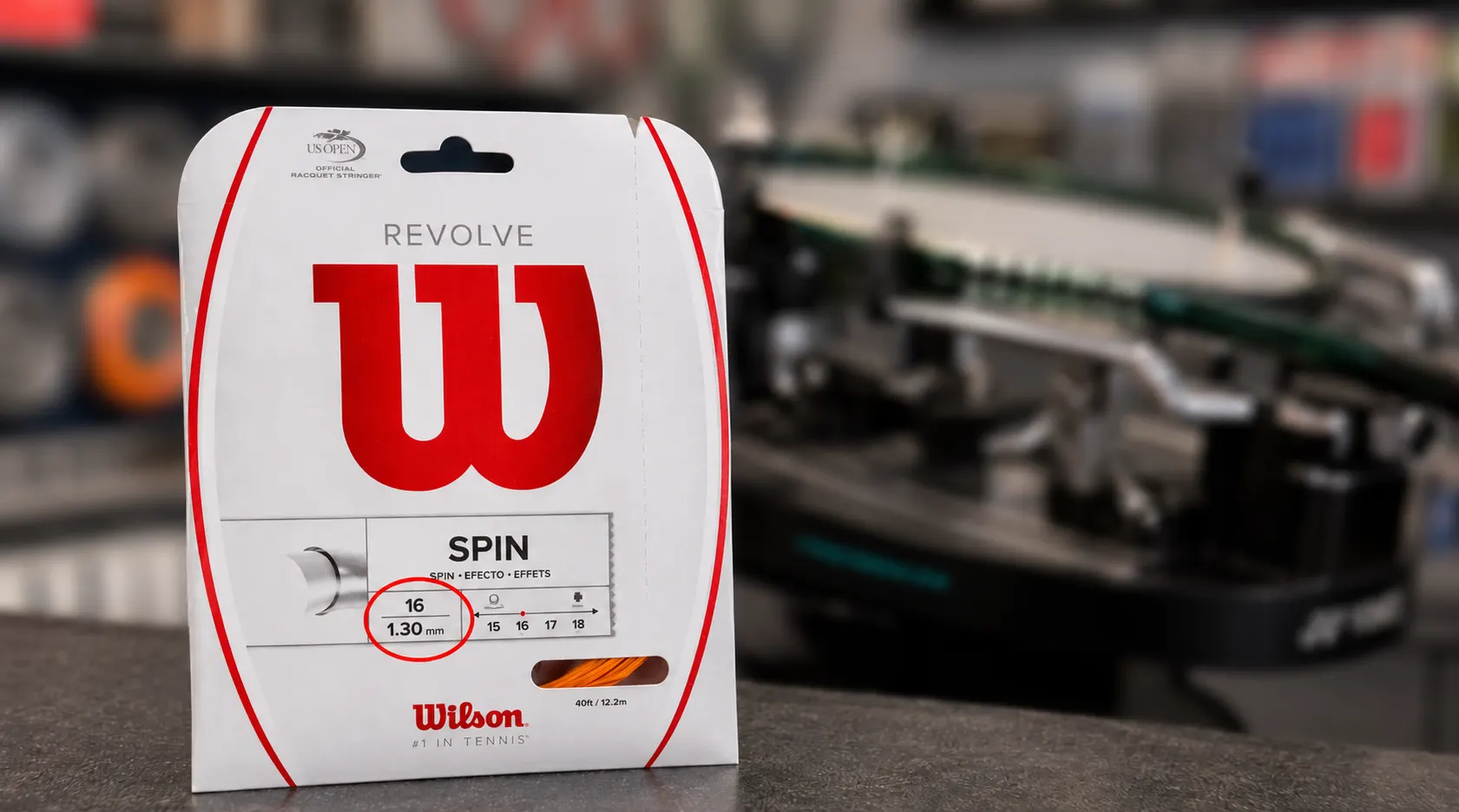
Tennis string gauge guide: compare 1.20, 1.25, and 1.30 mm for spin, control, comfort, durability, and the best fit for your game.