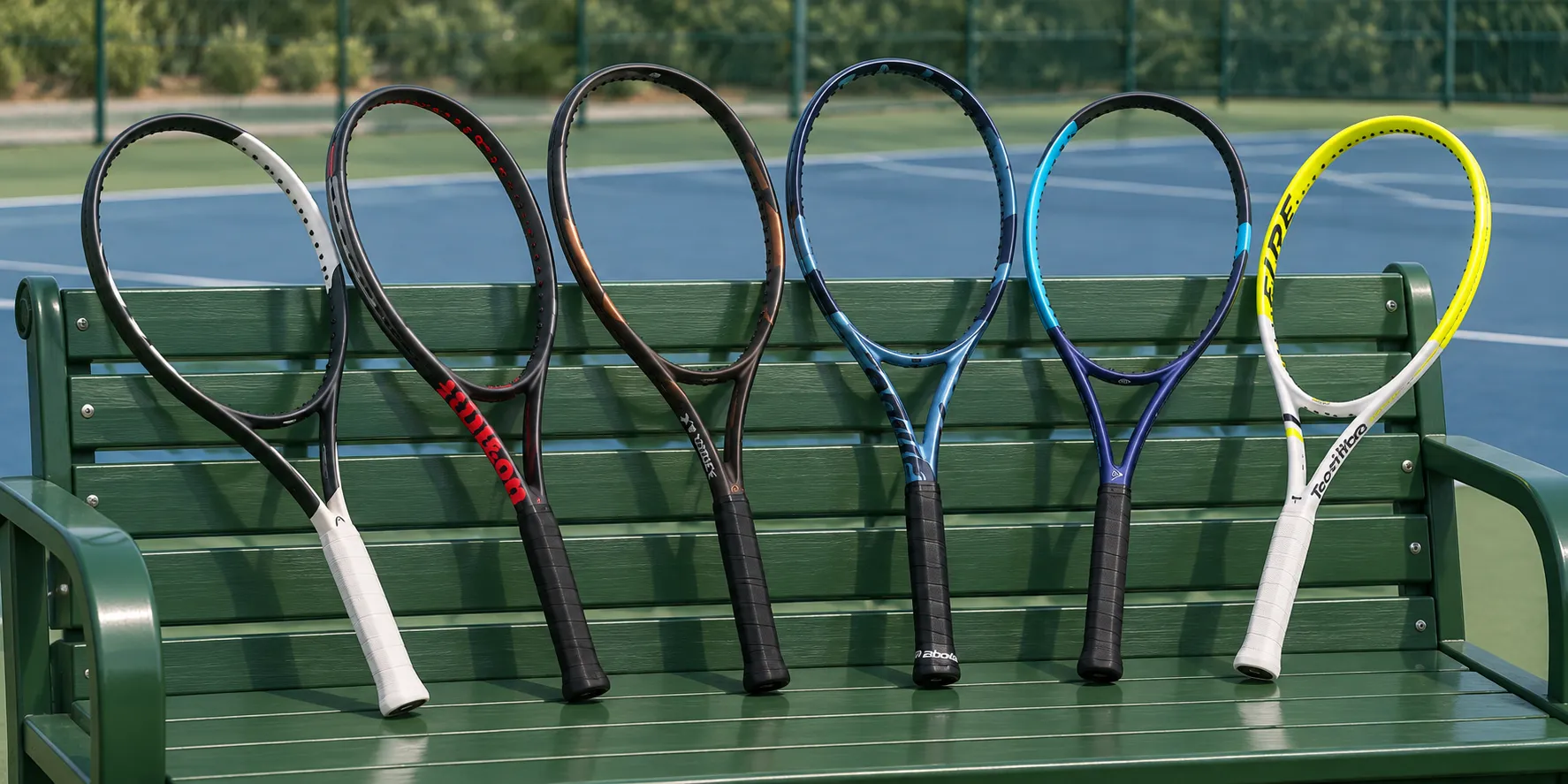
Best Tennis Rackets for Beginners by Brand
When buying your first tennis racket, it is easy to focus on the family name and overlook the version. A Speed MP and a Speed MP L both have a 100 sq in head, but weigh 300 and 285 g unstrung. That difference deserves a demo before you decide.
For an adult starting lessons, we recommend a 100 sq in head and around 300 g (10.6 oz) unstrung or less, in a standard or light version. If you are unsure about weight, start with 280–285 g (9.9–10.1 oz); try 295–300 g (10.4–10.6 oz) if you can swing it comfortably throughout the session. Add synthetic gut or multifilament strings, and demo the racket before buying.
This selection uses official specifications and buying criteria for adults who want to learn and keep playing regularly. It does not include our own on-court playtests of these rackets.
Start with a 100 sq in head and a weight you can handle
A head size of 100 sq in, or roughly 645 cm², describes the area of the racket head. It is a size found in many rackets you can learn with and continue using as you improve, without moving to a smaller, more demanding head.
If you struggle to find the center of the stringbed or have a very short swing, ask your coach whether a larger head would help. The LTA racket selection guide also includes that option for beginners. A 100 sq in head is our starting point, not a requirement for every player.
For weight, check whether the figure refers to the racket unstrung or ready to play. Strings and accessories add mass: the 300 g on the label is not the finished weight. Compare specifications in the same condition and ask the shop to weigh the demo racket with its playing setup.
To choose between standard and light versions, watch whether you can prepare your forehand, switch to your backhand and serve on time even when tired. Also check that the face does not twist too much on off-center contact. You need to move the racket and keep it steady at impact; weight and swingweight help explain why two models with similar weights can take different amounts of effort to swing.
Standard and light beginner rackets to demo by brand
Every racket in this table has a 100 sq in head. Weights are nominal unstrung specifications checked in November 2026. Confirm the generation and the specification of the product your shop sells.
| Brand and family | Standard version | Light version | Why demo it? |
|---|---|---|---|
| Head Speed, 2026 generation | Speed MP · 300 g | Speed MP L · 285 g | Balance between power and control |
| Head Gravity, 2025 generation | Gravity MP · 295 g | Gravity MP L · 280 g | Control and a generous hitting zone |
| Wilson Ultra V5 | Ultra 100 · 300 g | Ultra 100L · 280 g | Help getting the ball deep |
| Wilson Clash V3 | Clash 100 · approx. 295 g | Clash 100L · 280 g | Flexibility with an emphasis on comfort |
| Yonex EZONE, eighth generation | EZONE 100 · 300 g | EZONE 100L · 285 g | Accessible power and an ISOMETRIC head |
| Babolat Pure Drive Gen11 | Pure Drive · 300 g | Pure Drive Team · 285 g | Help with depth while developing your swing |
| Babolat Pure Aero Gen9 | Pure Aero · 300 g | Pure Aero Team · 285 g | Developing a topspin stroke |
Two details to check: the 2026 Speed MP L weighs 285 g; do not assume an older generation has the same specification. For the Clash 100 V3, different Wilson specification sheets and editions list 292.5–295 g. We use an approximate figure and recommend checking the particular version you plan to buy.
Within these families, MP L, 100L and Team identify the lighter alternatives in the table. Always check the specifications: those labels do not mean the same thing across every catalog. For a beginner, we would keep the choice between standard and light versions rather than add Pro, Tour, 98 or extended-length models.
Head: start with Speed; consider Gravity for more control
Speed MP or MP L
Start with the Speed MP L if you do not yet know how much weight you handle well. It keeps the MP’s 100 sq in head and 16x19 string pattern, with less mass. Include the Speed MP if you can swing its 300 g without making contact late.
It is a sensible family while you learn forehands, backhands, serves and your first volleys without a clear preference for power or control. During the demo, look for depth with a relaxed swing: you should be able to sustain a rally without swinging at full effort on every ball.
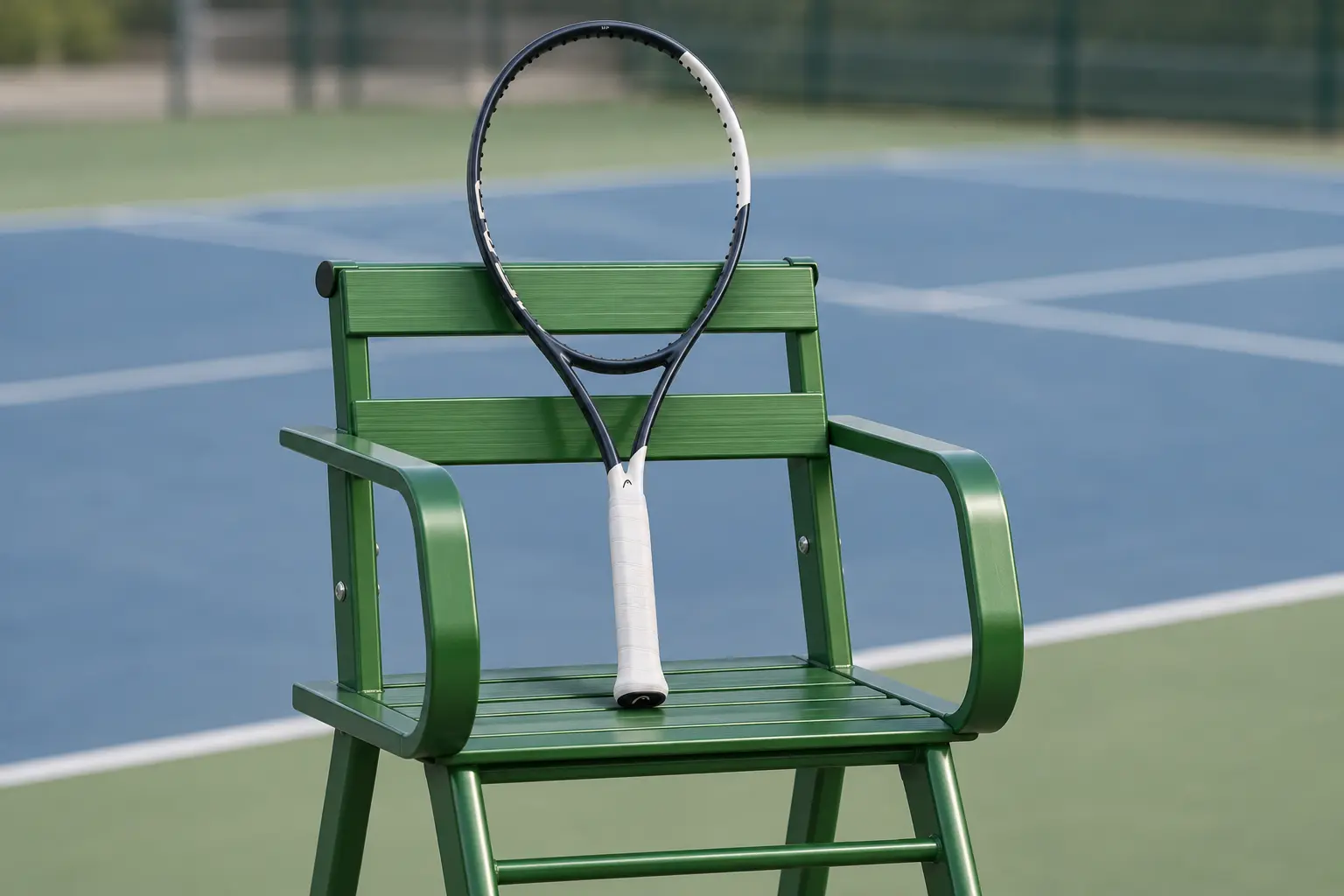
Gravity MP or MP L
The Gravity is worth considering if you want control and a large sweet spot. HEAD highlights its rounded head and a broad hitting zone raised toward the tip. That is the manufacturer’s description, not an independent measurement placing it above every other racket here.
The 295 g MP and 280 g MP L both have a 16x20 pattern in the generation checked. We would try them when you already get enough depth and want a more controlled response. If you keep leaving the ball short, compare them with Speed, Ultra or EZONE: make sure the control you want does not leave you forcing your swing to reach the back of the court.
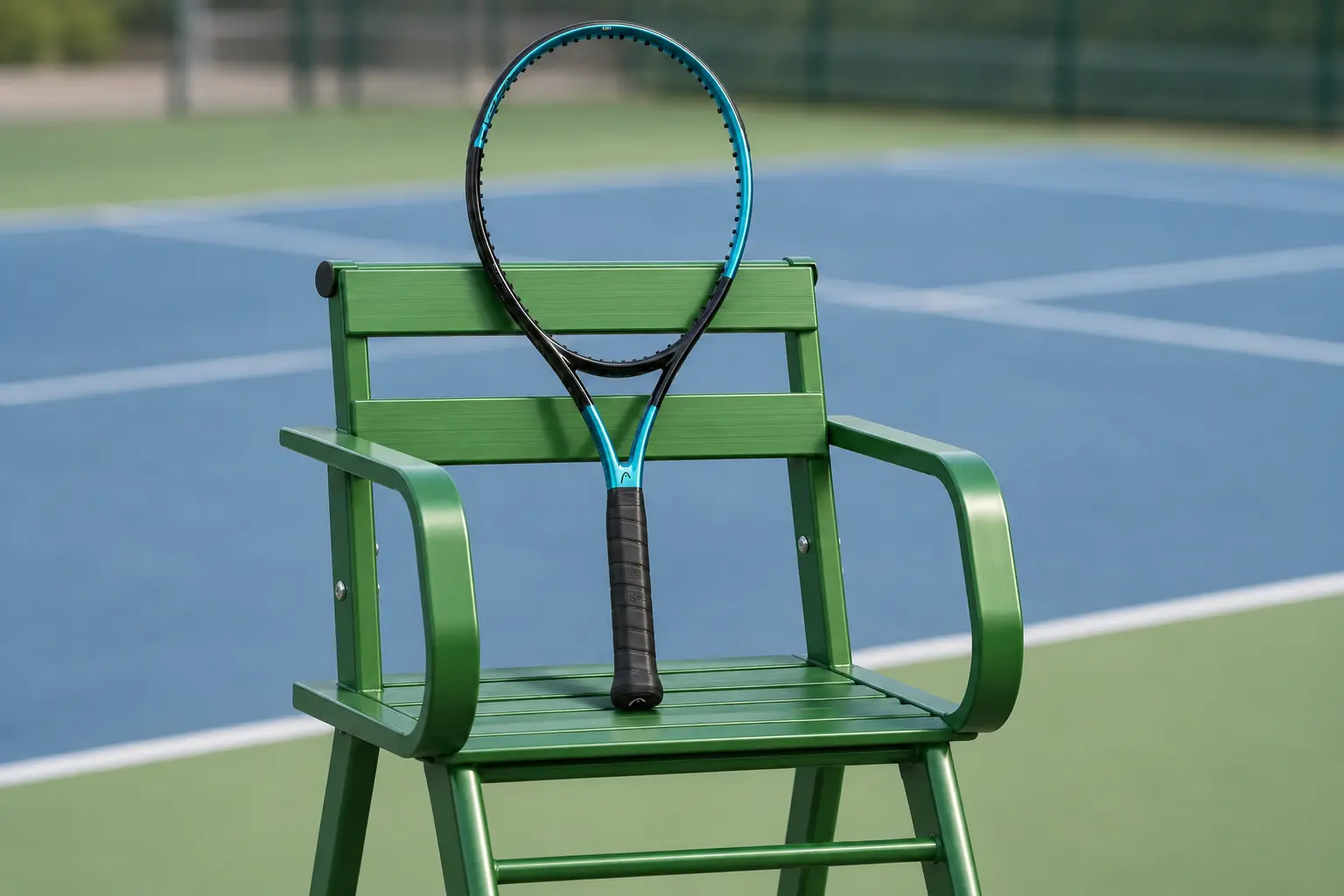
Our Head rackets guide explains how they differ from Radical, Boom and the other families.
Wilson: Ultra for depth; Clash when comfort comes first
Try the Ultra 100 or 100L if you make clean contact but the ball still lands short. Wilson positions Ultra as a power family. Check that its assistance also lets you accelerate and keep the ball in, without slowing your arm halfway through the stroke. If the standard model’s 300 g makes you late, try the 280 g 100L.
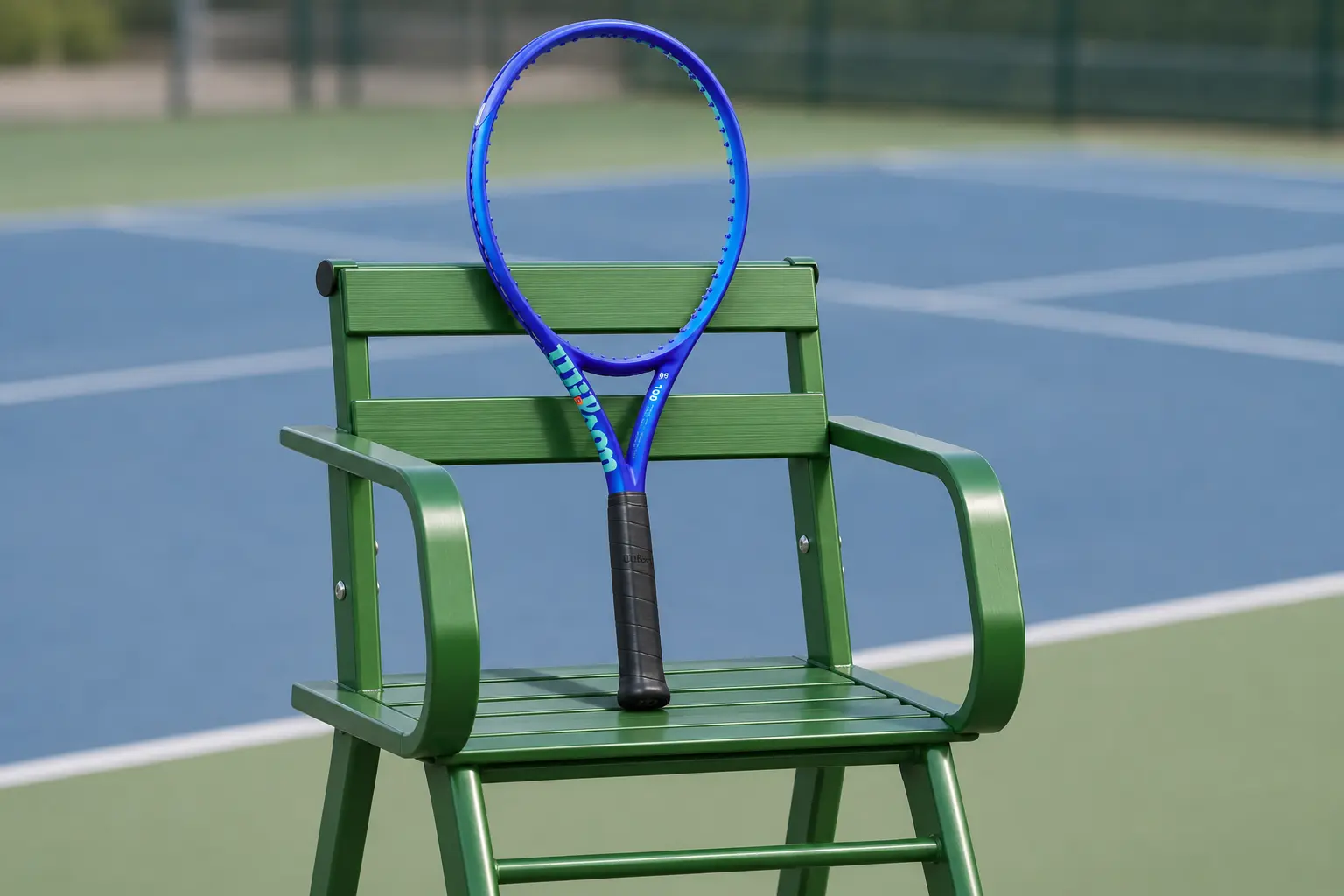
If a very firm response feels unpleasant, add the Clash 100 or 100L. Wilson emphasizes flexibility, forgiveness and comfort. Demo it with the same type of string as the Ultra: those design priorities do not guarantee comfort for everyone or replace a suitable string setup.
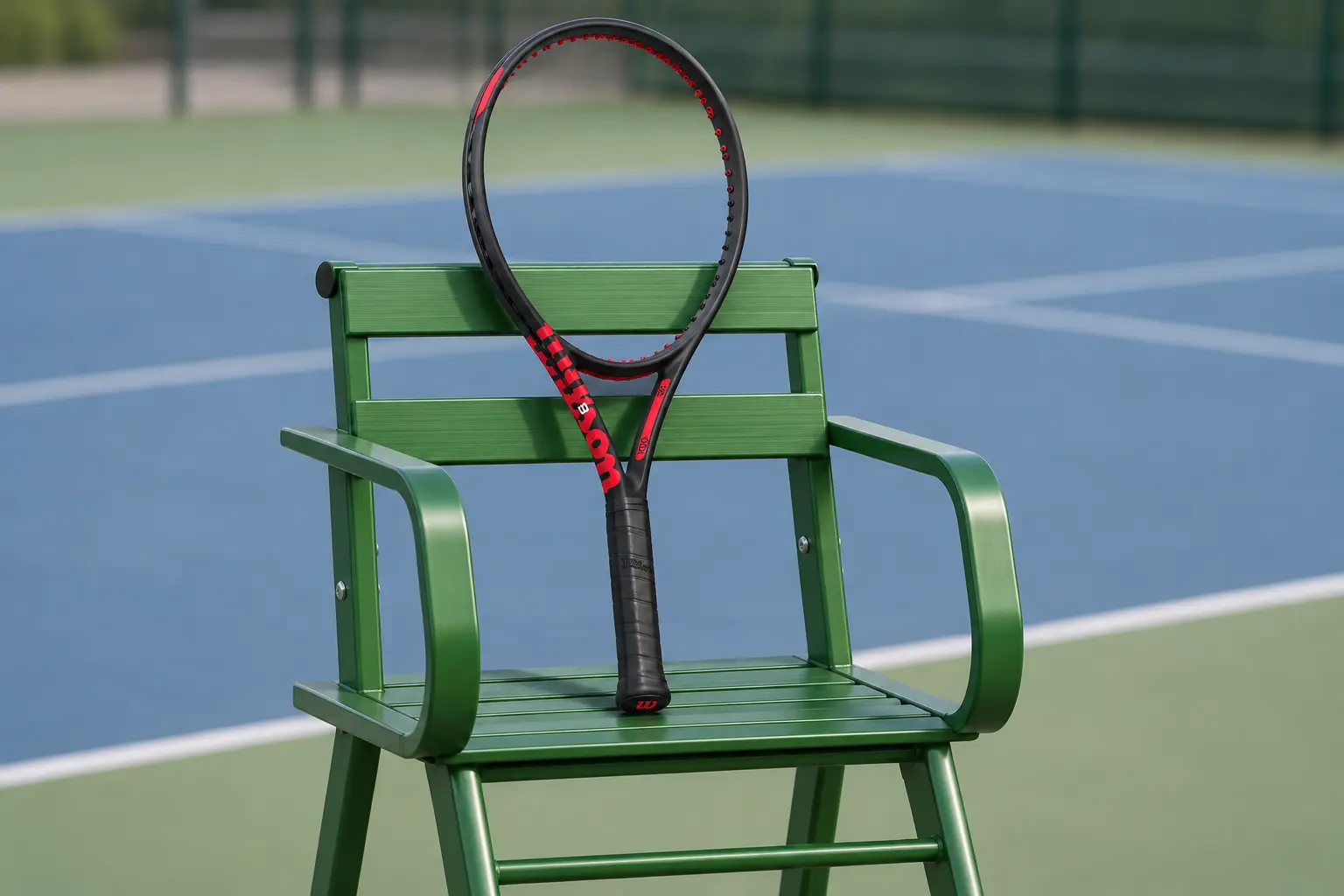
Comparing the Ultra 100L with the Clash 100L makes sense if you are weighing help with depth against an emphasis on comfort. Choose by how easily you can maintain a rally without squeezing the grip. Our Wilson rackets guide covers the differences between families.
Yonex: EZONE 100 or 100L
At Yonex, we would start with the 300 g EZONE 100 or 285 g 100L. Both have a 100 sq in head and 16x19 pattern in the eighth generation. Keep that head size and decide the weight on court; you can continue improving with either without moving to the EZONE 98.
Its ISOMETRIC head, slightly squarer at the top, is intended to broaden the effective hitting zone, according to Yonex. During the demo, watch whether you keep enough depth when the ball is awkward. That shape alone cannot fix a weight choice that makes you late.
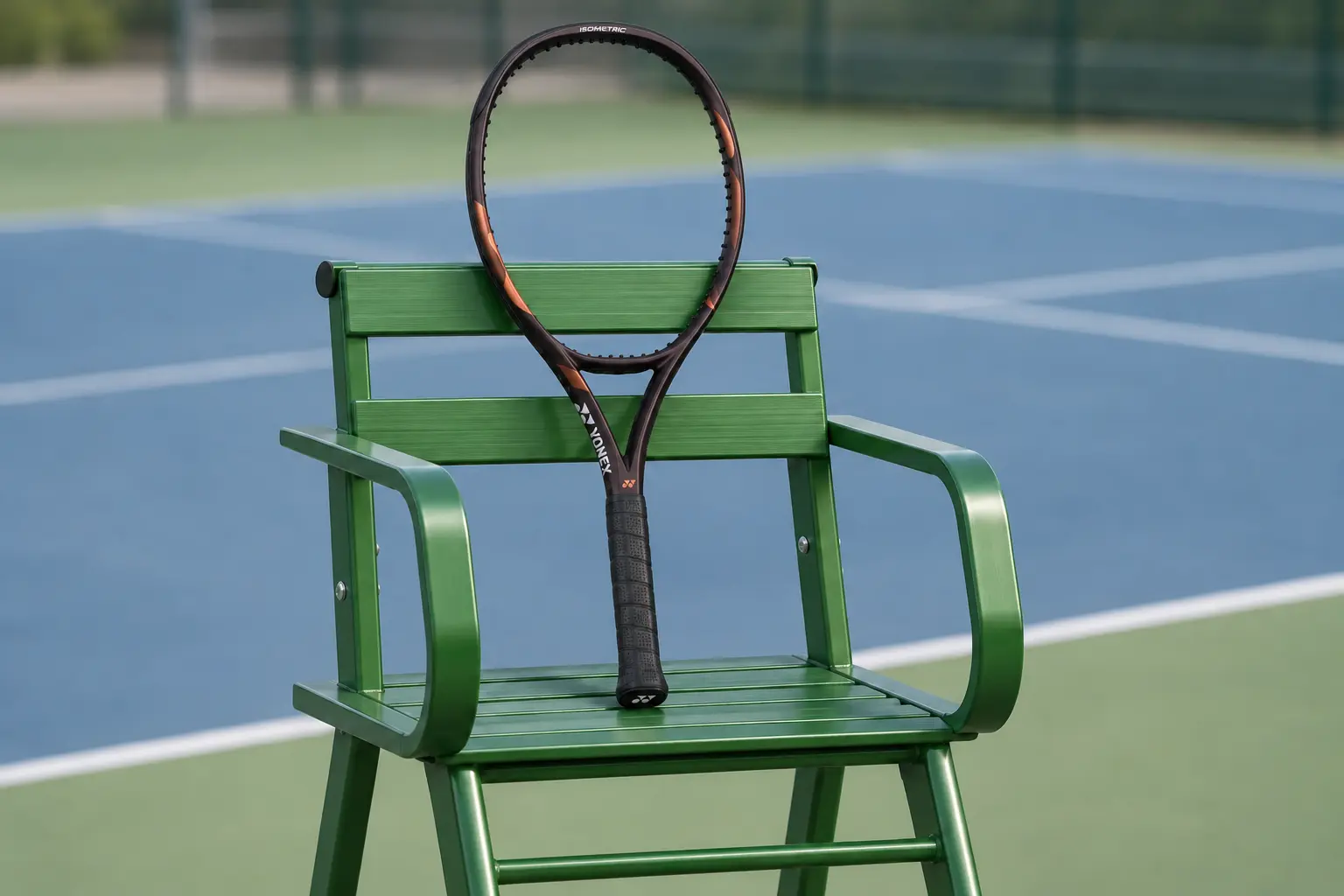
Our Yonex rackets guide explains how EZONE differs from VCORE and PERCEPT.
Babolat: Pure Drive or Pure Aero, standard or Team
We would try Pure Drive first if you need help getting the ball deep. Start with the 285 g Team if you still lose racket speed when tired; add the 300 g standard version when you can maintain your stroke with that weight.
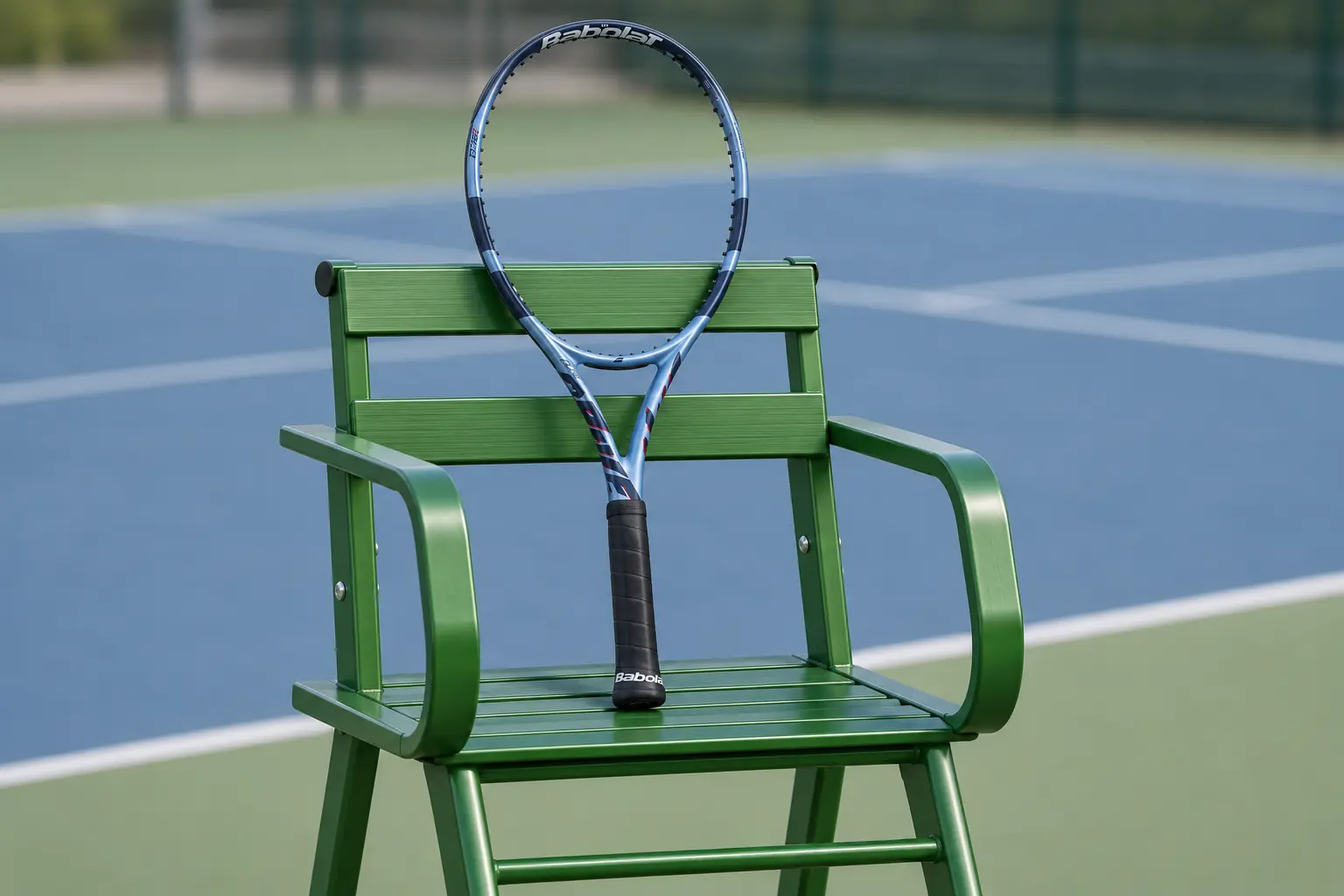
Include Pure Aero, standard or Team, if you are learning to swing from low to high and want to develop topspin. You have the same weight choices, 300 and 285 g, without moving to the Aero 98. Spin will still depend on your swing path and racket speed.
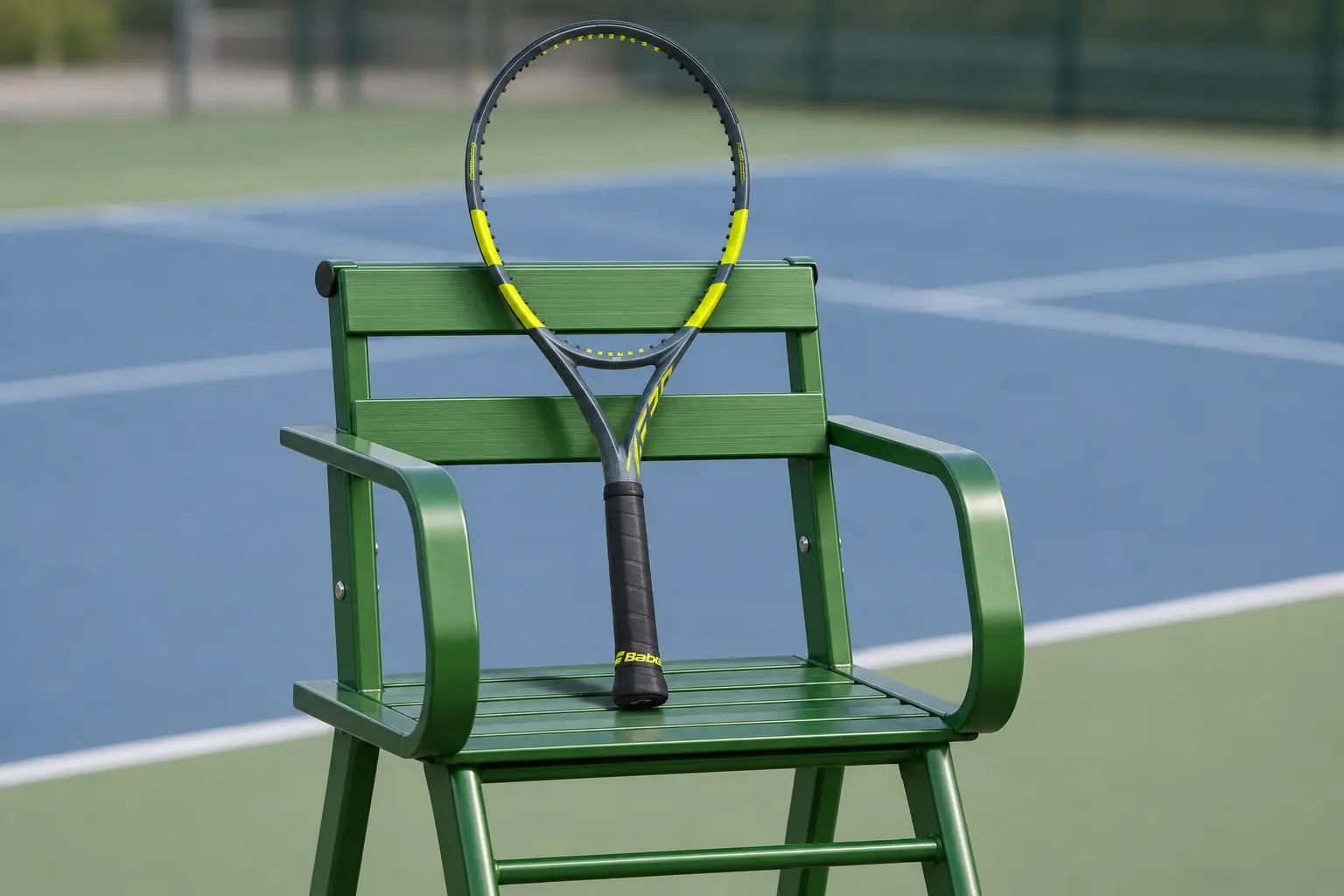
With both, watch where the ball lands and how much clearance you get over the net. You are still learning; you do not have to decide now what your playing style will be in two years. Our Babolat rackets guide helps distinguish the families.
Two other brands worth a demo
If you can get demos, add these alternatives using the same head-size and weight criteria:
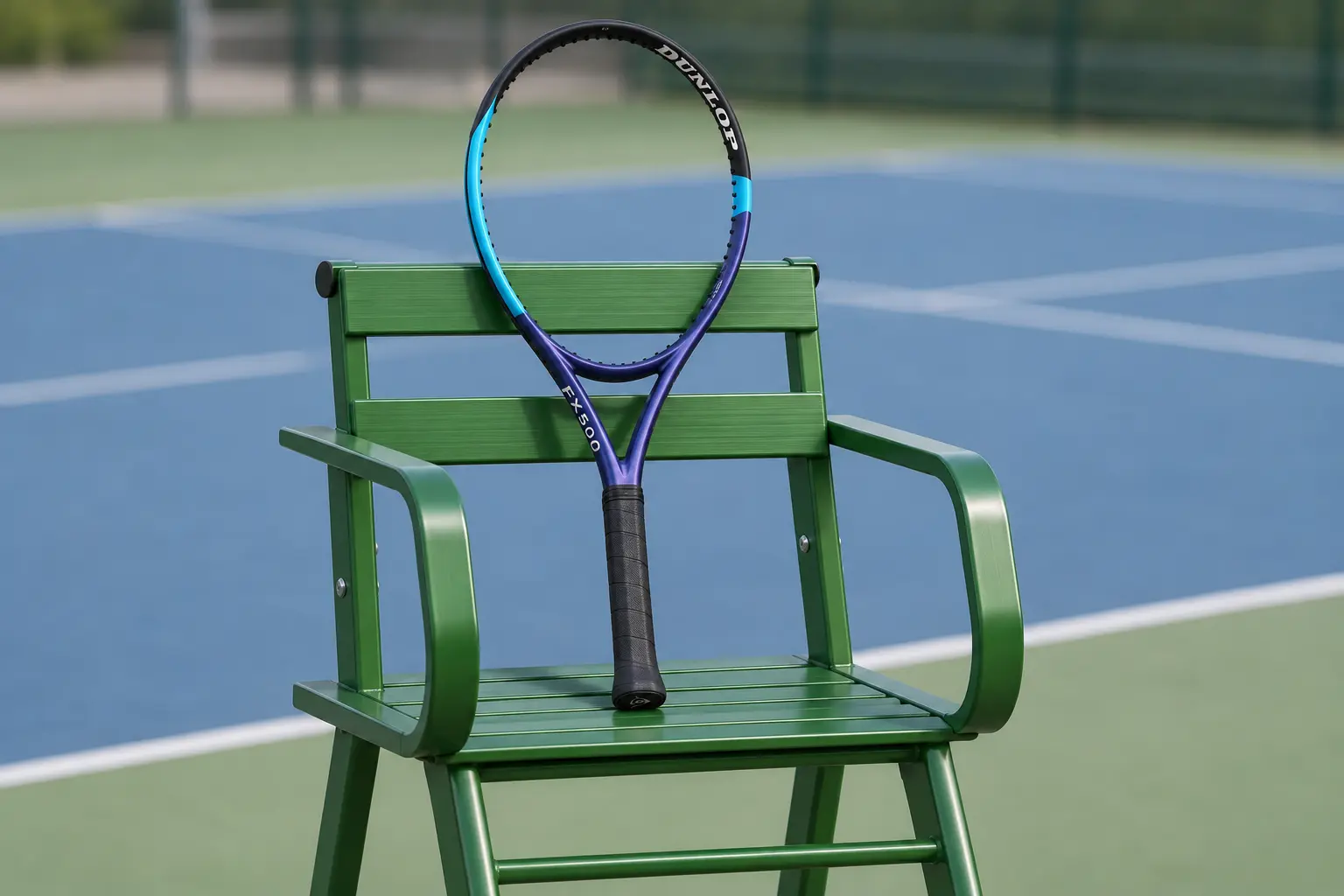
- Dunlop FX 500 or FX 500 LS: the standard version has a 100 sq in head and weighs 300 g; the LS keeps the 100 sq in head at 285 g. They are power options to compare with Ultra or Pure Drive. Our Dunlop rackets guide explains where FX fits within the brand.
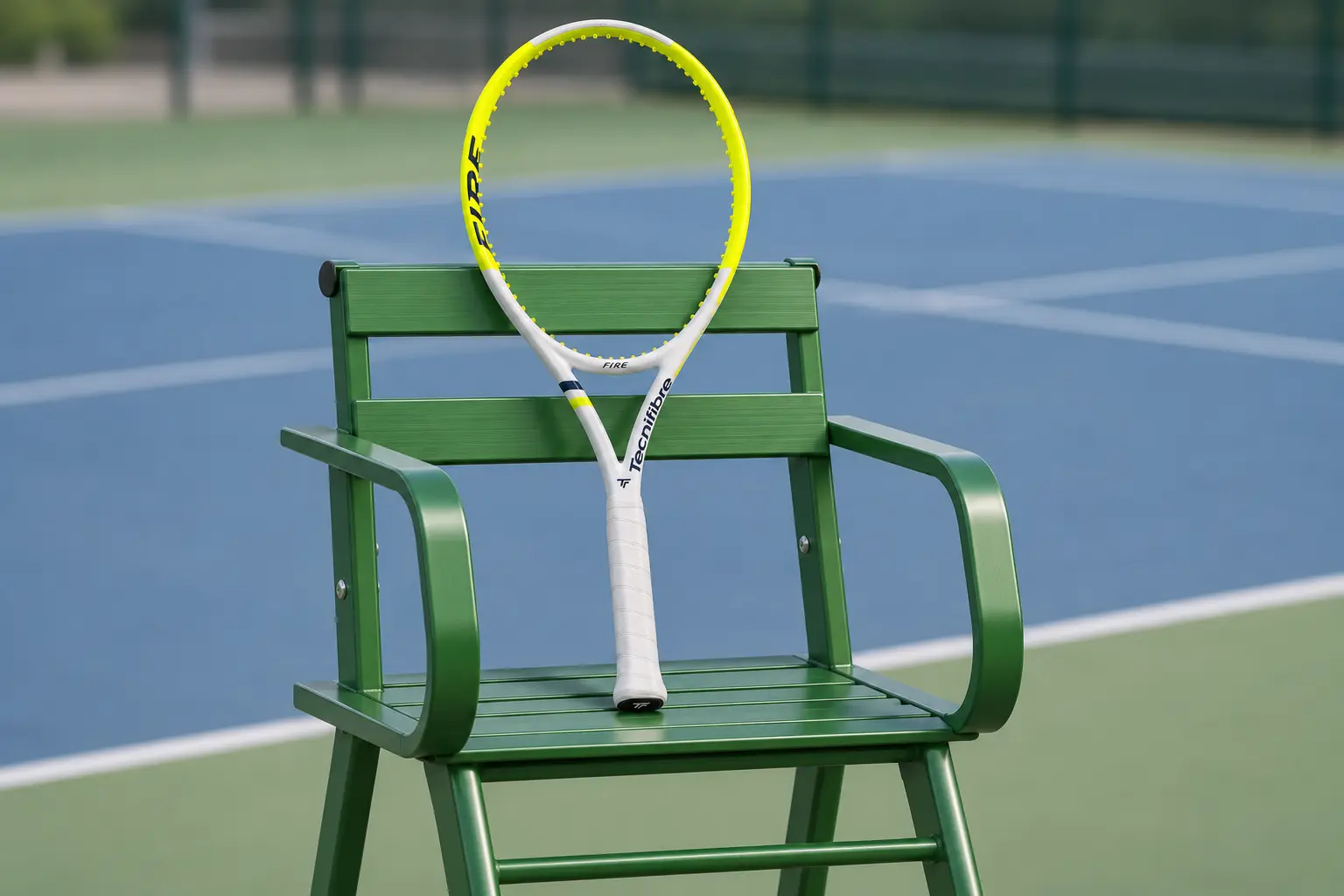
- Tecnifibre Fire 300 or Fire 285: both have a 100 sq in head, with 300 g for the standard version and 285 g for the lighter version. They also emphasize power. Our Tecnifibre rackets guide covers their differences from T-Fight and the other families.
An older generation in good condition can reduce the cost. Check its specifications and demo that particular version: a shared name does not guarantee the same weight, balance or response. Keep some of your budget for lessons and a good string setup.
Which tennis strings should beginners use?
Start with a full bed of synthetic gut or multifilament. The Wilson string guide recommends nylon for beginners because of its power and comfort, and describes polyester as a stiffer option aimed at advanced players. The LTA also includes synthetic strings among the options for beginners.
Synthetic gut is usually the budget option. One example is Wilson Synthetic Gut Power, with a solid nylon core. The name can be confusing: it is a synthetic nylon string, distinct from natural gut and polyester.
If you can spend more on comfort and easier depth, try a multifilament, such as HEAD Velocity MLT. Your strings do not have to match your racket brand. Our tennis string types comparison explains how the materials differ.
As a starting point to discuss with your stringer, we suggest 1.30 mm and around 23 kg (51 lb), always within the range allowed by the racket and string. Babolat points beginners toward multifilament at 22–24 kg, roughly 49–53 lb. This is not a universal tension: if your model specifies a different range, agree on a suitable setting with the stringer. Then change one variable at a time based on what you observe, as explained in our string tension guide.
Unless you frequently break nylon or have a specific need, we would not choose polyester or a polyester hybrid by default. A promise of more spin on the packet is not enough reason to switch.
How to demo a racket before buying
Ask for two or three rackets. Without a clear preference, we would start with a Speed MP L and an EZONE 100L or Pure Drive Team. Include a Clash 100L if comfort is your priority, or a Gravity MP L if you already get enough depth and want more control.
A shop, club or coach may be able to help you find them; the LTA recommends demos before buying. Use the same grip size, with string types and tensions as similar as possible. If one has heavily used polyester and the other fresh multifilament, some of the difference you feel will come from the strings.
- Rally crosscourt at a comfortable pace. Look for repeatable depth without hitting at full power.
- Alternate forehands and backhands, including balls into your body. Watch whether you prepare the face in time and need to squeeze the grip.
- Hit serves and volleys. A racket that seems easy from the baseline must also let you swing overhead and change grips.
- Repeat at the end of the session. If you start making late contact with the standard version but keep your stroke with the lighter one, the lower weight has a concrete advantage for you.
Confirm your grip size before paying. If no demo program is available, try borrowing the exact model: you need to hit balls to check how it responds.
Choose the racket that lets you prepare on time, maintain depth and swing freely at the end of a lesson too. If the lighter version does that better, you have a reason to choose it. Getting better does not mean you need a heavier racket.
Keep learning
Turn this information into a better decision for your game
Explore more guides on the same topic or visit the complete archive to compare your options with context.
Continue reading
Related articles

Tennis String Types: Poly, Multi, Gut & Synthetic Gut
Compare tennis string types by power, control, spin, comfort, durability and price so you can choose the right setup for your game.
US Open History: Records, Surfaces and Facts
Explore US Open history: when it began, its three court surfaces, who won the most singles titles, the latest American champions and New York traditions.
Tennis Rating Systems: UTR, NTRP and WTN
Tennis rating systems explained: what UTR, NTRP and World Tennis Number measure, why exact conversions fail and how to read your rating for fairer matches.